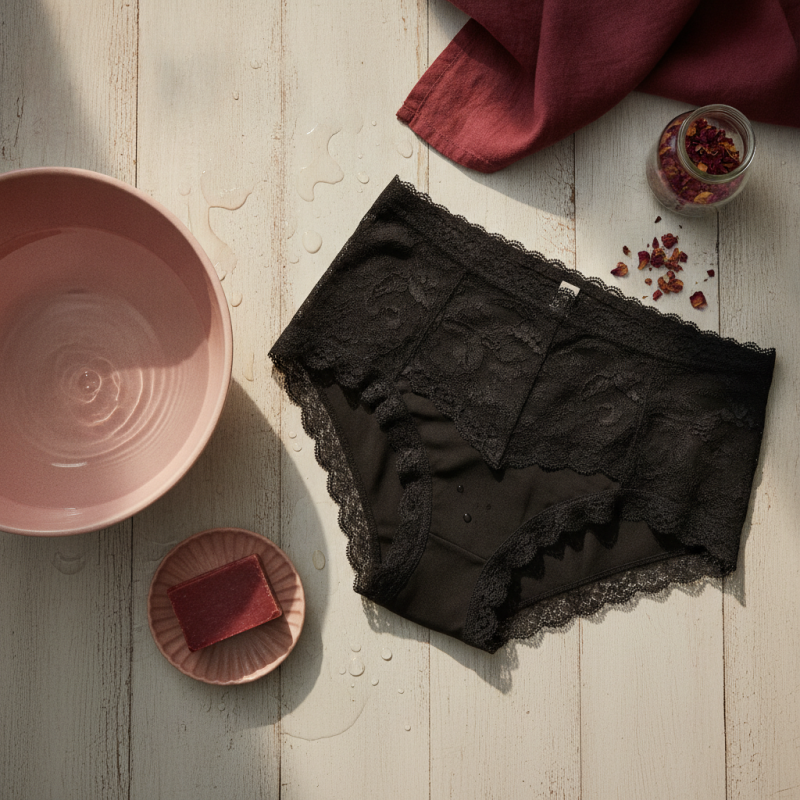
Guides for Use & Maintenance
How to Wash Period Panties So They Last for Years
“Las lavé como cualquier ropa interior y a los pocos meses ya no absorbían igual”: es el motivo número uno por el que alguien se


Period-friendly underwear is transforming how we experience our cycles, seamlessly blending comfort, reliable protection, and eco-conscious living from the very first wear. In this comprehensive guide, you’ll uncover the essence of menstrual panties, delve into the mechanics of its multi-layered absorbent technology, and understand why it’s emerged as the planet-friendly alternative to disposable pads. We’ll also explore its significant advantages for your intimate well-being and your budget, the array of styles and absorbency levels available, a comparative look at leading brands, best practices for their upkeep, and clear answers to your most pressing questions. All this knowledge is designed to empower you to select the perfect pair that aligns with your flow, your personal needs, and your dedication to a healthier planet.
According to Cognitive Market Research, the global market for menstrual panties was valued at $198.26 million in 2025 and is anticipated to expand at a compound annual growth rate (CAGR) of 17.40% between 2025 and 2033.
This market insight provides a valuable perspective on the sector’s growth trajectory and its economic significance.
Menstrual underwear is a type of reusable undergarment engineered with technical fabrics designed to effectively manage menstrual flow, ensuring no leaks and no odors. Its thoughtful design integrates absorbent layers, a waterproof barrier, and a breathable finish, offering hours of continuous protection and presenting a modern solution for those seeking both comfort and a reduction in waste.
Research conducted by VanLeeuwen and Torondel (2018) revealed that women in a refugee setting found the concept and design of menstrual underwear appealing but expressed reservations regarding its absorbency, capacity, and ease of use.
This study is particularly relevant as it sheds light on initial user perceptions and concerns about the practical functionality of menstrual underwear.
Menstrual underwear is essentially a piece of undergarment featuring four or more specialized fabric layers that are adept at capturing, containing, and wicking away menstrual flow. They serve as a direct replacement for or a complementary option to tampons and pads, delivering leak-free security while maintaining optimal breathability, which is crucial for skin health and maintaining the intimate area’s natural pH balance.
The internal construction of these undergarments typically comprises:
Each layer collaborates to hold up to 20 ml of blood, effectively neutralize odors, and allow for gradual sweat evaporation, ensuring reliable protection throughout the day and night.
WebMD explains that menstrual underwear is constructed using multiple layers of microfiber polyester, with the fabric incorporating a moisture-wicking material composed of thousands of microscopic filaments.
This informative source details the composition and functional aspects of menstrual underwear, including the specific materials employed in its creation.
Here’s a comparative overview of the most commonly used materials found in menstrual underwear:
| Material | Property | Key Feature |
|---|---|---|
| Organic Cotton | Hypoallergenic | Maximum softness and breathability |
| Bamboo | Antibacterial | Excellent absorbency and freshness |
| Microfiber | Lightweight | Quick-drying and durable |
| Technical Polyester | Waterproof | Durability and leak-proof barrier |
Each fiber type offers distinct advantages, ranging from the superior breathability of cotton to the effective antibacterial qualities of bamboo, enabling you to select the ideal combination that suits your sensitivity and lifestyle.
Menstrual underwear has the potential to significantly reduce menstrual waste, with each user potentially diverting up to 300 kg of waste over a five-year period. By opting for reusable garments, individuals decrease their reliance on single-use products, conserve valuable resources, and contribute to fewer emissions. Furthermore, the materials utilized are frequently sourced responsibly and come with eco-production certifications, aligning intimate hygiene practices with environmental stewardship.
A study from the Technical University of Liberec suggests that menstrual underwear is viewed as a positive menstrual management option and holds particular importance for developing countries due to its reusable nature.
This research highlights the crucial role of sustainability and the reusability of menstrual underwear, especially in regions with limited resources.
An AllMatters study indicates that reusable menstrual underwear possesses a lower environmental impact compared to disposable alternatives like tampons and pads, primarily due to its extended durability.
This study strongly supports the assertion that menstrual panties represents an environmentally responsible choice.

Embracing menstrual underwear brings about immediate enhancements in comfort and intimate health, leads to progressive financial savings, and directly contributes to the preservation of our planet. These benefits extend far beyond your period, fostering a greater sense of overall well-being.
Phan et al. (2020) delve into the acceptance and usage intentions surrounding menstrual underwear, underscoring the growing awareness of the environmental, economic, and social implications of menstruation.
This study provides a valuable overview of the perceived benefits and potential drawbacks associated with the adoption of menstrual underwear.
Menstrual underwear is crafted from soft, premium fabrics, free from irritating fragrances and chemical bleaches, which effectively minimizes the risk of irritation, allergies, and vaginal dryness. Its breathable design expertly manages moisture, prevents odor development, and maintains a fresh feeling for hours, even during periods of intense physical activity. This careful attention to the skin’s natural balance promotes a respectful and healthy approach to intimate hygiene.
The initial investment in a set of 4–6 pairs of menstrual panties typically recoups its cost in under six months when compared to the recurring monthly expenses of tampons or pads. Once acquired, the only ongoing costs involve a minimal amount for a gentle detergent and basic maintenance, leading to annual savings exceeding 70% and freeing up your budget for other personal priorities.
By replacing disposable products, each individual user prevents hundreds of pads and tampons from accumulating in landfills. This significant shift reduces the carbon footprint associated with the manufacturing and transportation of single-use items and champions a circular economy built on durable, recyclable garments, transforming every wash into an act of planetary care.
The integrated leak-proof technology effectively prevents accidents, even with light-colored clothing or during overnight wear. Furthermore, the luxurious softness of the fabrics and the unrestricted freedom of movement help to alleviate both physical and psychological stress during your period, fostering a sense of personal empowerment that can boost your mood and allow for worry-free physical activity.
The diverse range of styles and absorbency levels available allows you to perfectly tailor your menstrual underwear to each phase of your cycle and your personal preferences, ensuring an ideal fit, appealing aesthetics, and reliable effectiveness in any situation.
To cater to a variety of style preferences, we offer:
Each design artfully combines attractive aesthetics with essential technical support, granting you the freedom to choose based on your preferred silhouette and personal taste.
| Absorbency Level | Capacity | Recommended Use |
|---|---|---|
| Light Flow | 5 ml (≤1 tampon) | Spotting days or initial light staining |
| Moderate Flow | 10 ml (≤2 tampons) | Typical period days |
| Heavy Flow | 15 ml (≤3 tampons) | Days with heavier bleeding |
| Very Heavy Flow | 20 ml (≤4 tampons) | Peak days or significant discharge |
Selecting the appropriate absorbency level ensures reliable protection without the need for frequent changes, optimizing your comfort and peace of mind.
Most manufacturers provide detailed size guides that correlate waist and hip measurements with the corresponding size (ranging from XS to XXL). A snug fit, without being overly constrictive, is essential to ensure all absorbent layers maintain proper contact with the skin, preventing any gaps where flow might escape. Carefully measuring yourself against the provided size charts is the key to achieving a perfect fit.
Specialized lines, often featuring enhanced front reinforcement and greater side containment, are thoughtfully designed for sensitive skin and the unique needs associated with hormonal changes. These models frequently incorporate extra-soft fabrics and cuts specifically adapted for younger anatomies or postpartum recovery, offering dependable security for instances of light urine leakage.
While the market is experiencing rapid expansion, certain brands consistently distinguish themselves through their superior materials, innovative technology, and positive user feedback. A careful analysis of absorbency, fabric composition, and pricing empowers informed decision-making and helps you discover your ideal option.
Cocoro utilizes a patented hydrophilic-hydrophobic technology that masterfully balances absorption and ventilation. Dim integrates lightweight microfibers with an anti-mold treatment, while Cumlaude Lab focuses on organic cotton with eco-certification and flat seams for unparalleled comfort.
| Brand | Main Material | Absorbency Level | Approx. Price | Certification |
|---|---|---|---|---|
| Cocoro | Technical Microfiber | Moderate–Heavy | €20–€25 | OEKO-TEX Standard |
| Dim | Micro-treated Cotton | Light–Moderate | €15–€18 | Eco-Cert |
| Cumlaude Lab | Organic Cotton | Moderate–Heavy | €22–€28 | GOTS |
This comparative table assists you in evaluating the value proposition and the environmental credentials associated with each brand’s certifications.
More budget-friendly options typically employ basic synthetic fabrics with simpler finishes and exhibit less long-term durability. Premium versions, conversely, incorporate high-quality organic cotton, advanced antimicrobial technologies, and superior wash resistance, thereby extending their lifespan and significantly enhancing the overall user experience.
Many users place a high value on transparency in manufacturing processes and responsive customer service. Positive reviews frequently highlight exceptional nighttime comfort, effective odor elimination, and the remarkable durability of seams after numerous washes, all of which are decisive factors when recommending a particular model.
Mintel reports that 19% of British women purchased period underwear in the last year, and an additional 33% expressed interest in buying it in the future, indicating a notable surge in its popularity.
This research clearly demonstrates the growing acceptance and escalating interest in menstrual underwear within the British market.
Diligent maintenance is key to maximizing the lifespan of your garments and ensuring consistent, effective absorbent performance. By adhering to straightforward steps and utilizing appropriate cleaning agents, you can effectively prevent stains, eliminate odors, and avoid premature wear.
This simple care regimen helps maintain optimal absorbency and preserves the original colors for numerous cycles to come.
A pre-soak of approximately 30 minutes with a few drops of white vinegar or an enzymatic cleaner can effectively help remove organic stains and neutralize odor-causing bacteria. Additionally, avoid washing them with heavily soiled items and refrain from using hot air dryers, as this can compromise the integrity of the waterproof barrier.
Rotating several pairs within your weekly collection prevents continuous exposure to washing cycles and helps to mitigate wear and tear. Storing them in a dry, well-ventilated location, away from direct light and with adequate space between each garment, prevents the development of mold and the premature degradation of the absorbent fibers.
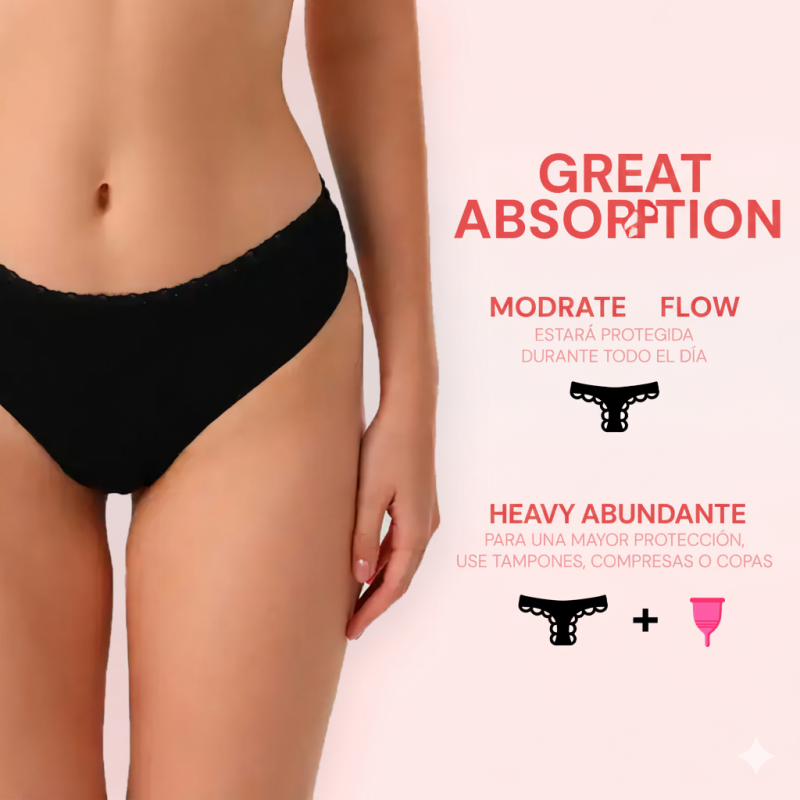
Absolutely, menstrual underwear pairs exceptionally well with menstrual cups or tampons, especially on days with very heavy flow or as an added layer of security during high-intensity physical activities. Combining these systems amplifies protection and offers valuable flexibility to suit your daily needs.
The most common inquiries tend to center around the duration of continuous wear, the safety and health aspects, selecting the appropriate models for varying flow levels, and effective strategies for managing odors or minor leaks.
Each pair of underwear designed for moderate flow is capable of providing 8 to 12 hours of continuous wear, depending on the intensity of your bleeding. Changing them first thing in the morning and again before bed ensures optimal protection at all times.
Crafted without chemical bleaches, fragrances, or PVC, these garments are designed to preserve the natural vaginal flora and maintain the skin’s delicate balance. Their hypoallergenic and breathable construction significantly reduces the risk of irritation and promotes a respectful and healthy approach to intimate hygiene.
The most effective approach is to measure your daily flow in milliliters or by tampon equivalents and then compare this measurement with the capacity specifications detailed for each model. For cycles with variable flow, it is highly recommended to have at least two different absorbency levels within your collection.
Ensuring that the chosen model is appropriate for your flow level and that the size is correctly adjusted are the primary ways to prevent leaks. For any persistent odors, pre-soaking with vinegar before washing and allowing them to air out thoroughly after use will effectively neutralize bacteria without negatively impacting the protective barrier.
It is advisable to opt for brands that hold OEKO-TEX or GOTS certifications, possess positive user-backed reviews, and offer clear return policies. Purchasing directly from specialized brand websites ensures product authenticity and provides access to detailed size guides and personalized customer support.
Transitioning to menstrual underwear harmoniously blends textile innovation with a profound commitment to environmental responsibility, offering a more comfortable, economical, and sustainable period experience. Armed with comprehensive knowledge about how they function, their diverse styles, leading brands, and proper care, you are well-equipped to select the garment that best complements your cycle and to fully embrace its remarkable benefits, day after day.
“Las lavé como cualquier ropa interior y a los pocos meses ya no absorbían igual”: es el motivo número uno por el que alguien se
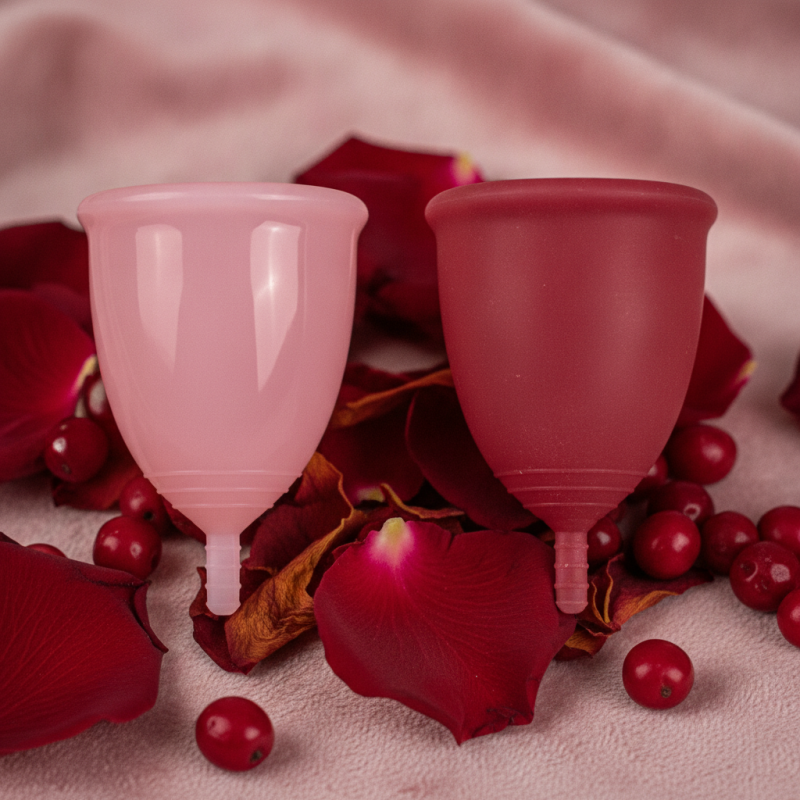
“I’ve had the same cup for three years, should I replace it now?” It’s a question we get often, and the honest answer is: it
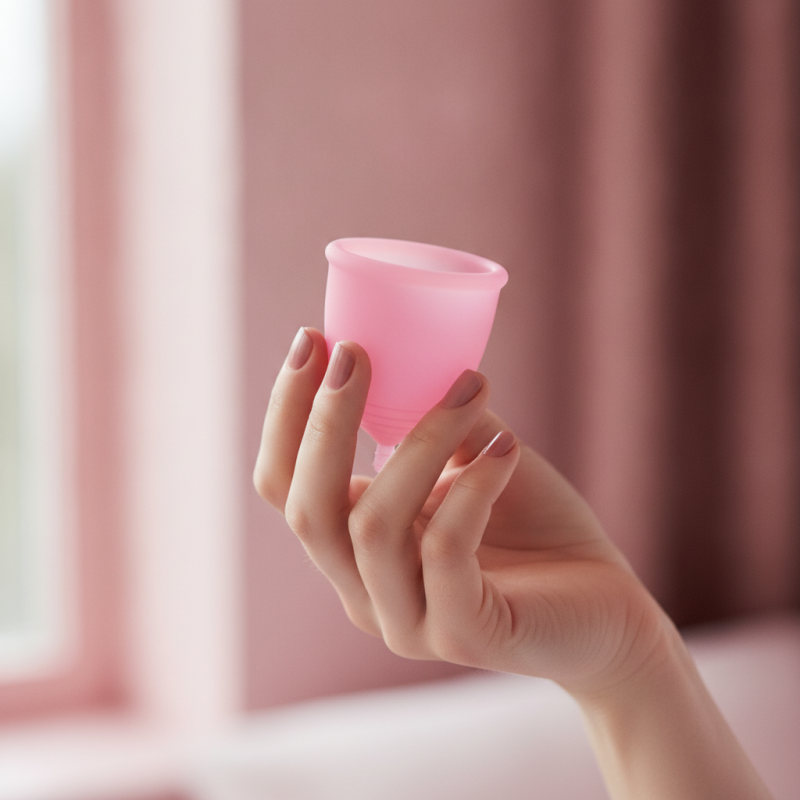
Vendemos copas menstruales, así que lo lógico sería que este artículo te dijera que la copa es perfecta para todo el mundo. No lo es,
