Guides for Use & Maintenance
How to Wash Period Panties So They Last for Years
“I washed them like any other underwear and within a few months they didn’t absorb the same”: it’s the number-one reason people are disappointed with

Does €19.99 sound like a lot for a menstrual cup? Do the math backwards: if you spend €8 a month on tampons and pads — a low estimate, many people spend more — that cup pays for itself in two and a half months, and then lasts you for years. The menstrual cup price is the first thing people look at and the last thing they fully understand, because the number that matters isn’t the one on the label — it’s what you get when you divide that price by every cycle you’ll use it. Here are the real prices, no fine print, plus a savings calculator with concrete figures so you can do the math yourself.
Let’s start with what it actually costs today, no promotions that vanish next week. All prices are the official ones published on sileu.com, VAT included:
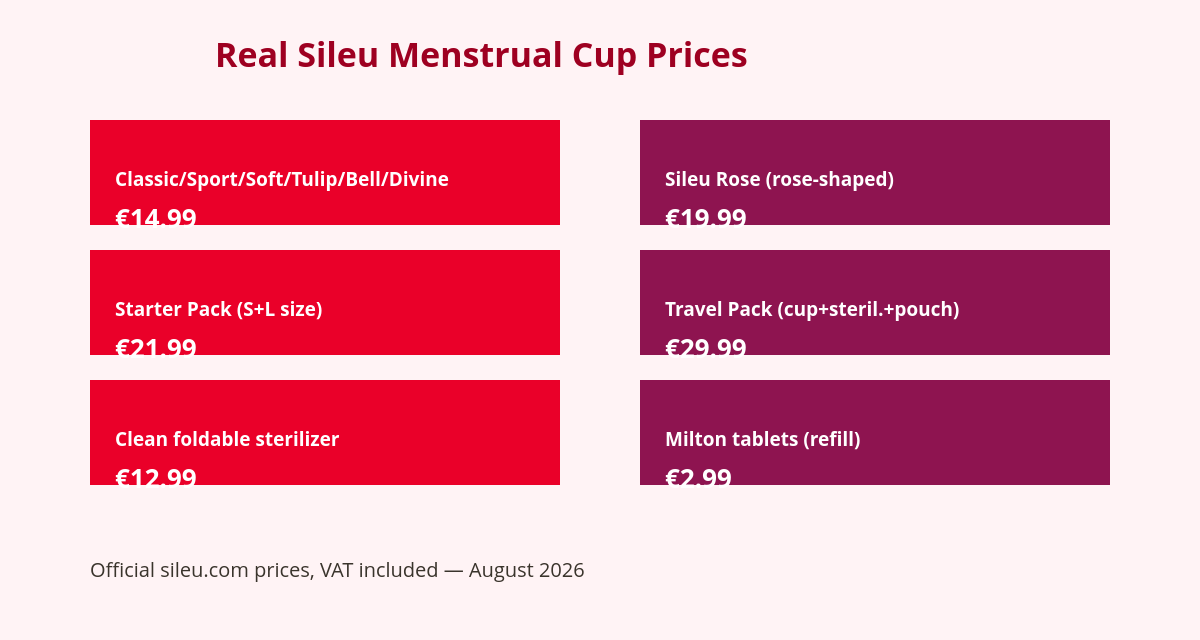
Notice the range: between €14.99 and €29.99 covers everything from a single cup to the complete kit with sterilizer and pouch. It’s the highest single upfront cost of any disposable alternative, and at the same time the lowest cost per cycle when you look at it over a year.
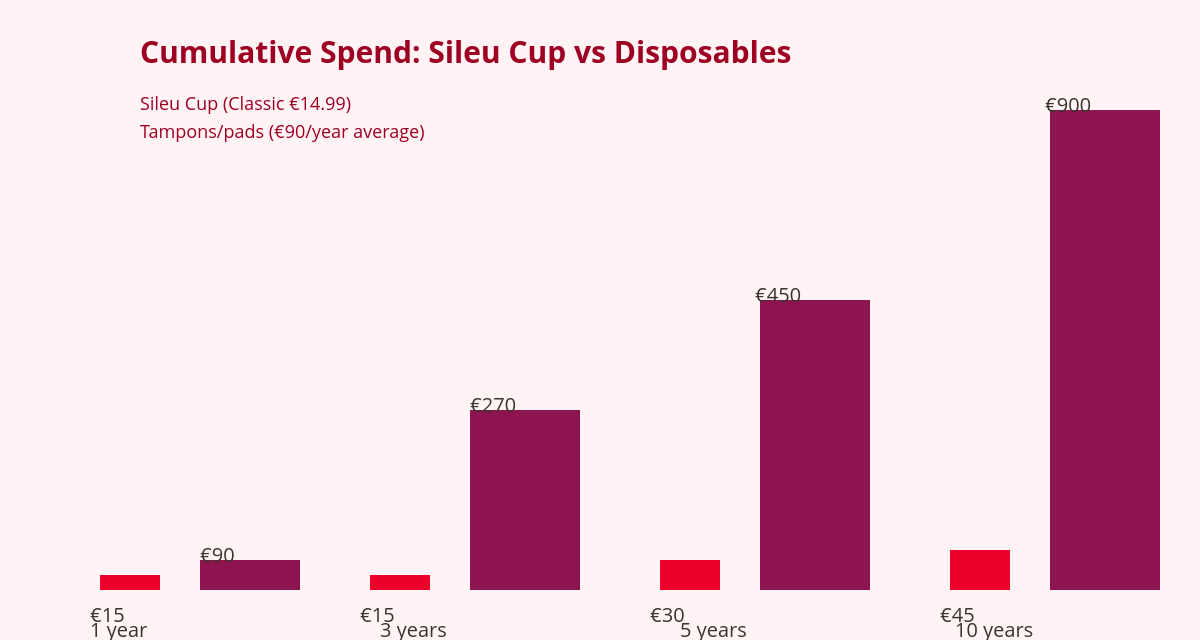
Here’s the math almost nobody does before buying. Let’s compare three disposable spending profiles — low, medium and high — against the real cost of a Sileu cup, which lasts 2 to 5 years with proper care (we recommend a conservative 3-year replacement cycle).
| Spending profile | Annual spend on tampons/pads | Sileu Classic cup cost (€14.99, every 3 years) | Year 1 savings | 5-year savings |
|---|---|---|---|---|
| Light period | €60/year | €14.99 (year 1) | €45 | ~€270 |
| Medium period | €90/year | €14.99 (year 1) | €75 | ~€420 |
| Heavy period | €120/year | €14.99 (year 1) | €105 | ~€570 |
The formula is simple, and you can apply it to your own spending: (annual disposables spend × years of use) − cup cost (rebought every 3 years) = total savings. With the medium profile, by year 10 the accumulated savings are around €855 — the price of a good vacation.
Start for under €15: Sileu Classic — €14.99
Medical-grade silicone, certified ISO 10993 (surgical-medical grade). Shipped from Spain in 24-72h. It’s the cheapest way to find out if the cup is right for you.
Paying €15-20 all at once feels different from paying €4 a week at the supermarket, even though the second one adds up to more. It’s a real bias, and it has a name: upfront cost weighs more heavily on a decision than accumulated cost, even when the latter is bigger. That’s why a €4 box of tampons “doesn’t register” and a €15 cup feels “expensive”: the brain compares individual amounts, not the yearly total.
There’s also a structural reason almost nobody talks about this kind of saving: the disposables industry lives on the monthly repurchase. A pad or tampon gets advertised every month because it’s bought every month. A €15-20 cup that lasts for years gets bought once and never generates recurring revenue again — there’s no advertising budget behind it to remind you. Most people who switch to a cup end up asking themselves the same question: why didn’t I discover this sooner.
The systematic review and meta-analysis published in The Lancet Public Health (2019), covering 43 studies and over 3,300 participants, confirms that the menstrual cup is a safe option with leakage rates equal to or lower than tampons and pads. The savings don’t cost you anything in return: it’s the same protection, at a fraction of the annual cost.
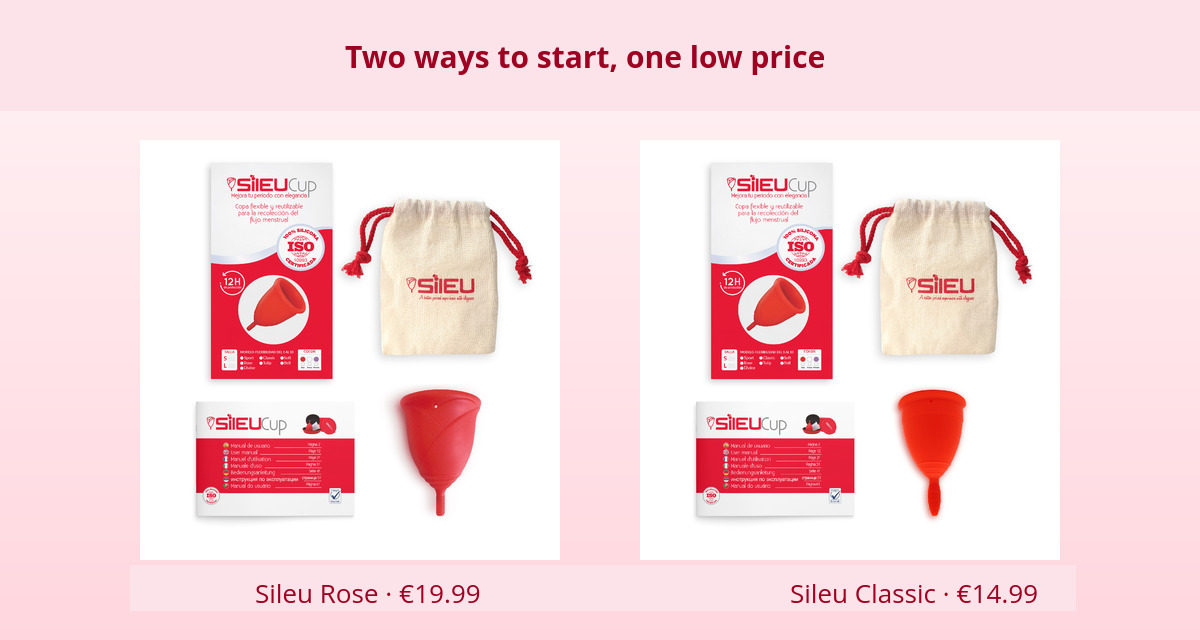
With the same medical-grade silicone certified to ISO 10993, the difference between €14.99 and €19.99 isn’t about safety or capacity — it’s about design. The Sileu Rose came out of a Spanish design project aimed at stripping away the cup’s “clinical” look: a flower shape, a matching cotton pouch, an object that doesn’t feel out of place in a toiletry bag. The Classic (and the rest of the range: Sport, Soft, Tulip, Bell, Divine) skips that aesthetic extra and goes straight to the point, which is why it’s the cheaper entry option.
If you’re not sure which one suits you, our guide to choosing your first menstrual cup compares the seven models in the Sileu range by firmness and shape. And if you’re torn between two sizes, the Starter Pack with S and L for €21.99 lets you try both without buying two separate cups.
For the savings to hold up, the cup has to last. That depends on how you sterilize it between cycles. A foldable sterilizer (€12.99) with Milton tablets (€2.99, lasts for months) or a Cleaner spray (€5.99) is the most reasonable extra investment: a one-time €3-13, versus boiling the cup every month with the risk of damaging it by accident. We walk through the full routine in how to clean your menstrual cup.
Storing it properly also extends its life: the cotton pouch that comes with every Sileu cup, or a SileuCase (€3.99) if you travel a lot, keep the silicone from collecting dust or getting scratched by other items in your bag.
Everything in one pack: Sileu Travel — €29.99
Sileu Rose cup + foldable sterilizer + pouch. Our store’s best-selling pack (642 units sold) and the most complete way to start without buying each piece separately.
Compared to other pharmacy brands, which typically start at €25-27 for a single cup, the Sileu menstrual cup price is 25% to 45% lower with the same medical-grade silicone certification. The reason is simple: we sell direct from the factory at sileu.com, with no middlemen adding their margin, shipping from Spain in 24-72h, and our own support if you have questions before or after buying (check our menstrual cup FAQ). It’s not a knock on pharmacies or other channels — it’s simply the pricing structure that direct sales makes possible.
Before you buy, here are the questions we hear most often about price and real savings.
Between €14.99 (Classic, Sport, Soft, Tulip, Bell, Divine) and €19.99 (Rose). Packs with sterilizer and pouch range from €21.99 to €29.99. These are the official sileu.com prices, VAT included.
With an average spend of €90 a year on tampons and pads, a €14.99 Sileu Classic cup (which lasts around 3 years) generates savings of close to €75 in the very first year, and over €400 over 5 years.
With proper care — sterilizing between cycles and storing it in its cotton pouch — a certified medical-grade silicone cup like Sileu’s lasts 2 to 5 years. We recommend a conservative 3-year replacement cycle.
Both use medical-grade silicone certified to ISO 10993 (the Rose, German Wacker silicone). The €5 difference is in the design: the Rose is flower-shaped with a matching cotton pouch, designed to strip away the cup’s clinical look.
Yes, usually. Pharmacy cups typically start at €25-27, while the Sileu menstrual cup costs from €14.99 with the same medical-grade silicone certification, thanks to selling direct from the factory with no middlemen.
Do your own math: start from €14.99
The Sileu Classic is the most affordable way to see how much you’ll save. Certified medical-grade silicone, shipped from Spain in 24-72h.
Keep reading:
“I washed them like any other underwear and within a few months they didn’t absorb the same”: it’s the number-one reason people are disappointed with
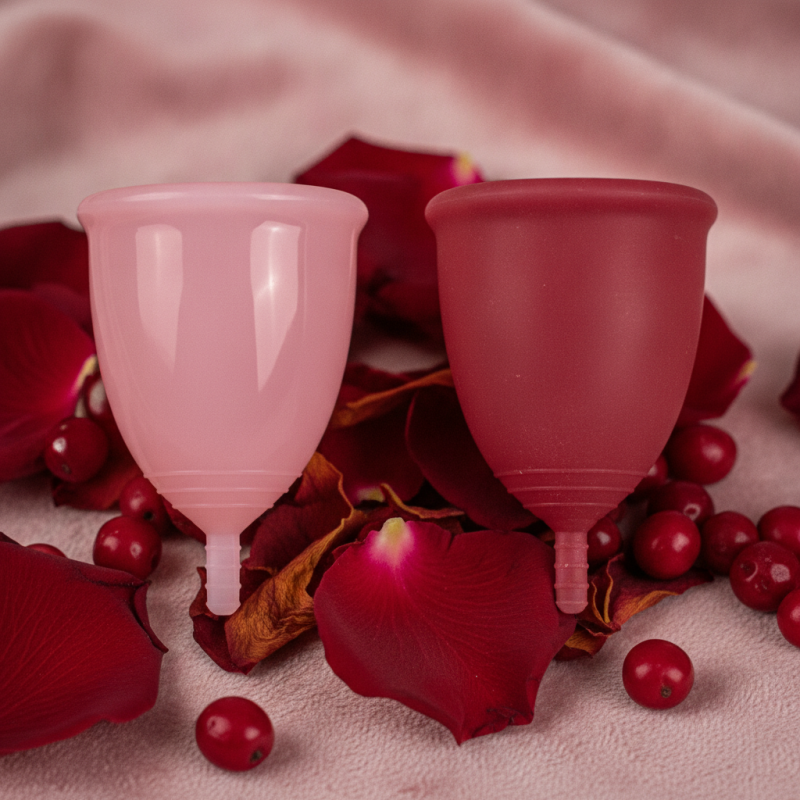
“I’ve had the same cup for three years, should I replace it now?” It’s a question we get often, and the honest answer is: it
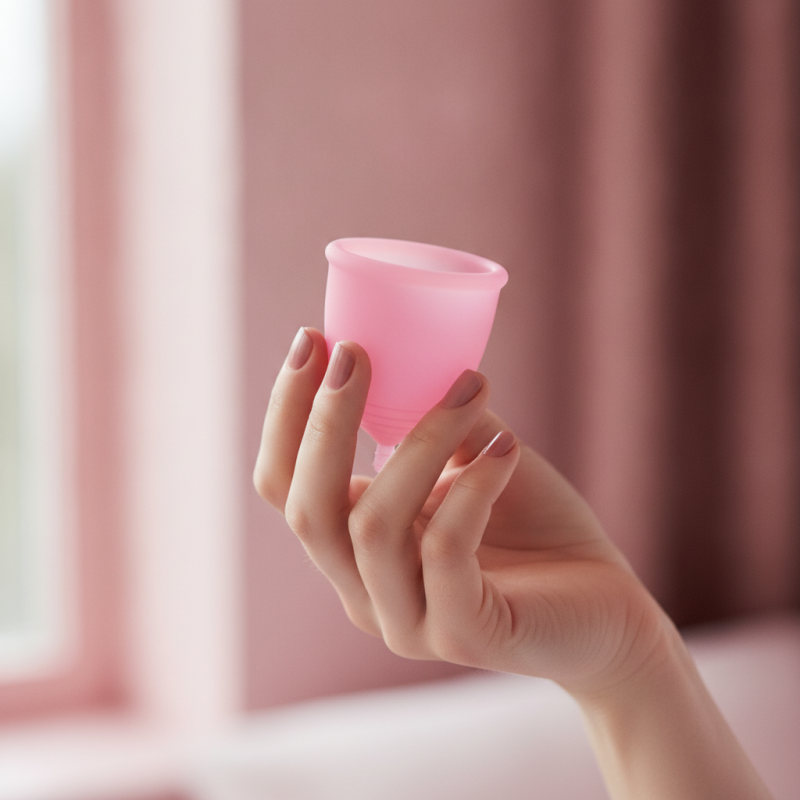
We sell menstrual cups, so you’d expect this article to tell you the cup is perfect for everyone. It isn’t, and we’d rather tell you

