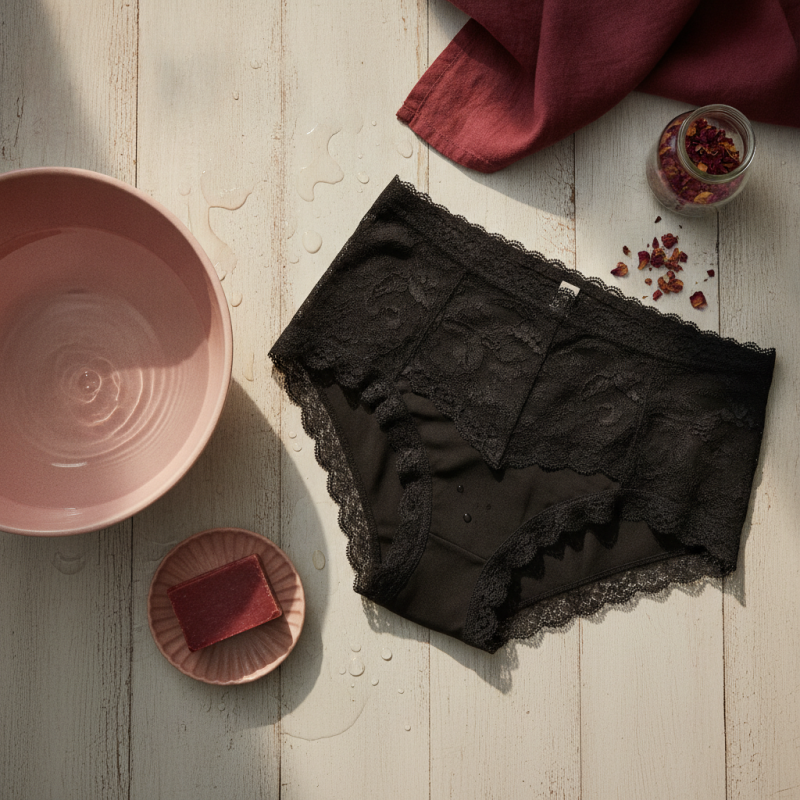
Guides for Use & Maintenance
How to Wash Period Panties So They Last for Years
“I washed them like any other underwear and within a few months they didn’t absorb the same”: it’s the number-one reason people are disappointed with


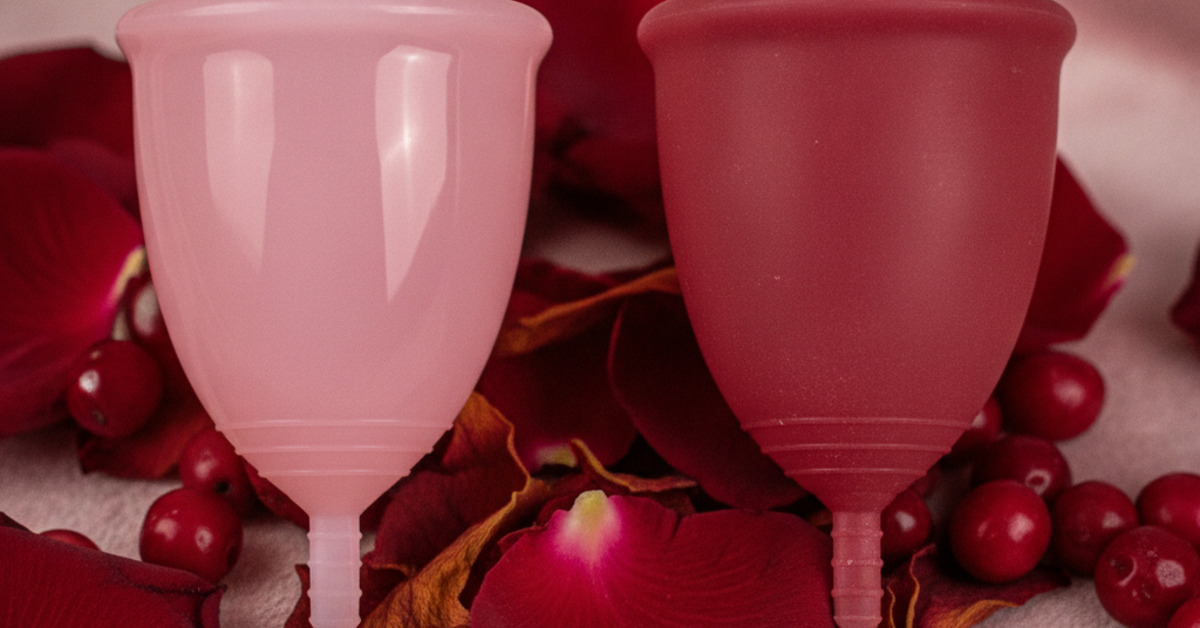
“I’ve had the same cup for three years, should I replace it now?” It’s a question we get often, and the honest answer is: it depends on care, not just the calendar. Let’s tell you how long a menstrual cup actually lasts, without the generic “ten years” figure that gets repeated without nuance, and what signs tell you it’s time for a new one.
The usual range cited by manufacturers and healthcare professionals is 2 to 10 years, and the difference between those two extremes depends almost entirely on three factors: the material, the care it receives, and how often it’s used. A cup stored unsterilized between cycles, exposed to oils, creams, or harsh soaps, can degrade in as little as 2-3 years. A medical-grade silicone cup, properly washed and sterilized between cycles, can easily last 8-10 years.

Our cups are made from Medical-grade silicone, certified ISO 10993 (surgical-medical grade), a material especially resistant to degradation from repeated use and sterilization. You can read more about why this certification matters in Medical-grade silicone menstrual cups: what it means.
Invest in something durable: the Sileu Classic (€14.99) is designed to last for years with proper care. Shipped from Spain in 24-72h.
To put it in economic perspective: if you compare the cost of a cup that lasts 5 years against buying tampons or pads every month over that same period, the difference is substantial, even accounting for the possibility of having to replace it earlier than expected due to premature wear. It’s one of the reasons why, once someone makes the switch, most users don’t go back to disposables as their main option.

More than counting years, what matters is learning to read the physical signs of wear. Check your cup every few months, looking for:
Noticing any signs of wear? It’s time to renew: the Sileu Classic (€14.99) remains, year after year, one of the most cost-effective investments against the monthly repurchase of disposables. Shipped from Spain in 24-72h.
Care accounts for almost the entire difference between a cup that lasts 2 years and one that lasts 10. The habits that matter most:
You’ll find the full process, step by step, in how to clean your menstrual cup, with all the details on daily cleaning and sterilization between cycles.
It’s worth being honest here, even if it doesn’t play in our favor commercially: a cup lasting up to 10 years doesn’t mean you should use it without checking on it for that whole time. On the contrary, precisely because the initial investment (€14.99-19.99) is the only one you’ll make for a long time, it’s worth spending a few seconds every few months checking its condition. It’s the same logic as checking the state of running shoes: nothing happens until, one day, it does, and prevention costs far less than regret.
This also answers a common question about the menstrual cup’s business model: we don’t run on you replacing it every month, the way disposables do, so we have no incentive to tell you to change it before you need to. Our real interest is in your cup lasting as long as possible and you being satisfied, because that’s what builds customers for years, not just a one-time purchase.
Beyond poor cleaning habits, there are other factors that can speed up wear without you realizing it:
Yes, and it’s actually a common practice among experienced users: alternating between two cups (for example, two different models or sizes) lets each one air out more between cycles, which can extend the lifespan of both. If you’re also wondering which models pair well together, check the differences between Sileu menstrual cup models.
Looking for a second cup to alternate with? The Sileu Starter Pack (€21.99, sizes S and L) gives you two cups ready to take turns between cycles. Shipped from Spain in 24-72h.
Not every cup on the market is made to the same standard. There are low-quality silicone, TPE, or even latex cups that degrade much faster, sometimes in under a year, and that can trigger allergic reactions since they aren’t certified under biocompatibility standards like ISO 10993. If you’re unsure about the differences between materials, we cover it in detail in medical-grade silicone menstrual cups versus latex and TPE. Investing in a certified material from the start usually pays off more over the long run than buying several low-quality cups that degrade quickly.
The systematic review in The Lancet Public Health (van Eijk et al., 2019, 43 studies, over 3,300 participants) confirms the menstrual cup is a safe method with continued use over time, as long as proper hygiene is maintained between uses. The material itself doesn’t suddenly lose biocompatibility: it’s the physical signs of wear, not a fixed predetermined deadline, that should guide when to replace it.
In short: think of your menstrual cup less as a product with a fixed expiration date and more like any other durable intimate-use item, like glasses or an electric toothbrush, whose replacement depends on its actual condition, not a rigid calendar. Checking it every few months, caring for it with the right products, and paying attention to signs of wear is all you need to get the most out of it, both in years of use and in peace of mind.
It depends on care: with minimal maintenance it can last 2-3 years, with regular care 5-6 years, and with optimal care (proper washing, sterilization between cycles, and correct storage) it can reach 8-10 years.
Cracks or tears, a sticky or porous texture, persistent color changes that don’t go away with cleaning, odor that remains after sterilizing it, and loss of shape or elasticity when folding it.
By washing it with water and a specific mild soap between emptyings, sterilizing it by boiling between cycles, storing it in a breathable cloth pouch, and avoiding contact with oils or silicone-based lubricants.
A slight change in tone is normal and doesn’t indicate any problem. Only persistent dark stains that don’t disappear with regular cleaning can be a sign of bacterial buildup and a reason to check the material’s condition.
Yes. Alternating between two cups lets each one air out more between cycles, which can extend the lifespan of both. It’s a common practice among experienced users.
Keep reading:
“I washed them like any other underwear and within a few months they didn’t absorb the same”: it’s the number-one reason people are disappointed with
“I’ve had the same cup for three years, should I replace it now?” It’s a question we get often, and the honest answer is: it
We sell menstrual cups, so you’d expect this article to tell you the cup is perfect for everyone. It isn’t, and we’d rather tell you

