Guides for Use & Maintenance
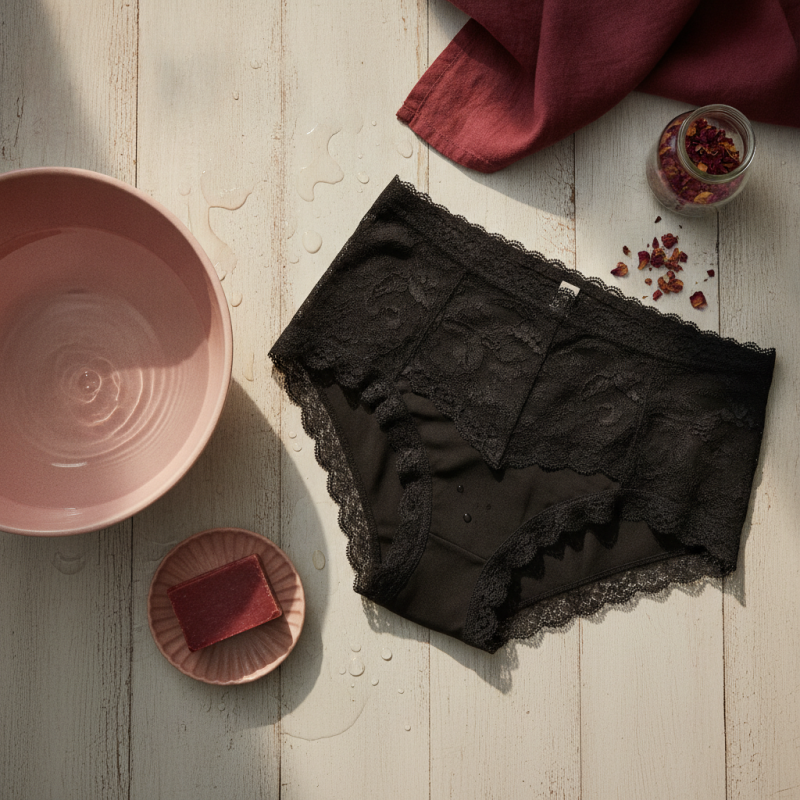
How to Wash Period Panties So They Last for Years
“I washed them like any other underwear and within a few months they didn’t absorb the same”: it’s the number-one reason people are disappointed with


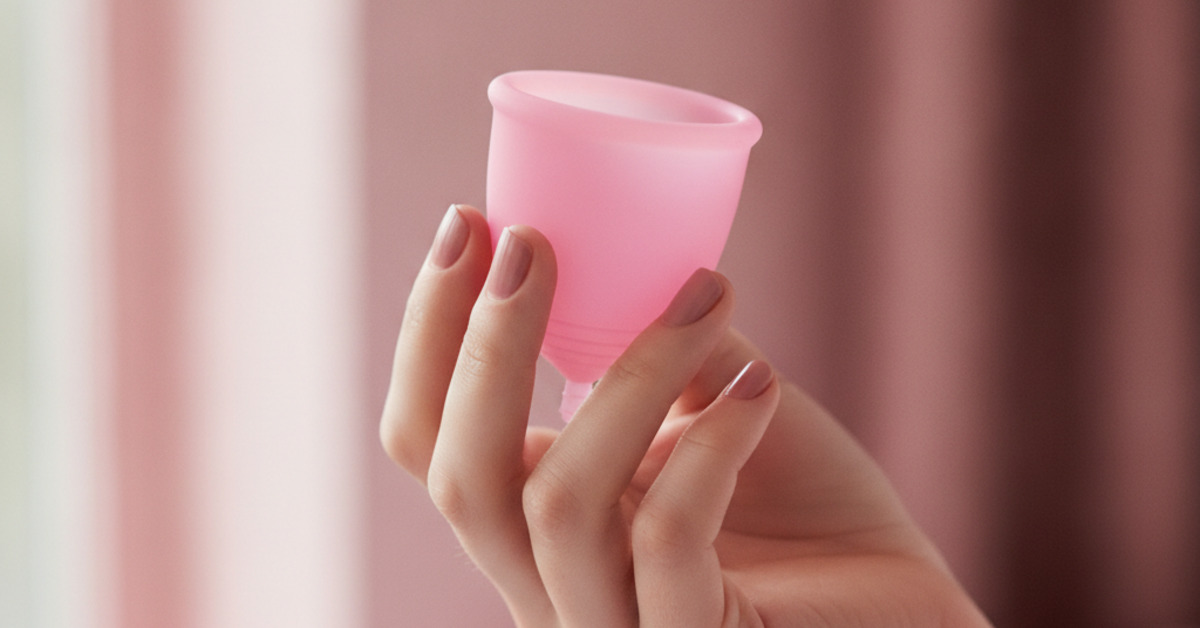
We sell menstrual cups, so you’d expect this article to tell you the cup is perfect for everyone. It isn’t, and we’d rather tell you before you buy one than after you regret it. Here are the real disadvantages of the menstrual cup, without softening them, and when it makes sense to look at another option.
If you’re after a more balanced view that includes the positives too, we have a full review in menstrual cup reviews: the good, the bad and what nobody tells you. This article focuses only on the uncomfortable side, because sometimes that’s exactly what you need to decide well.

There’s no way to sugarcoat this: the first two or three cycles with a menstrual cup are usually hard. Inserting it at the right angle, checking that it’s fully open and learning to remove it without mess takes manual practice you won’t master first time. If you need a solution that works perfectly from minute one, with no room for trial and error, the cup isn’t the best option to start with.
That said, it’s a learning curve, not a wall: the vast majority of people who persist through the first cycles end up mastering it. If you decide to try, our step-by-step guide to inserting the menstrual cup takes much of the initial friction away.
Timing matters too: if you have a trip, a sports competition or an important event in a few days, it’s not the best moment to try your cup for the first time. The learning curve is easier at home, calmly, without the added pressure of having to master it right away.
This is a practical disadvantage almost nobody mentions until they experience it: emptying and rinsing the cup away from home is more awkward if the restroom doesn’t have a sink inside the stall, which is common in bars, offices and public transport. With tampons or pads this problem doesn’t exist. It can be worked around (intimate wipes, toilet paper, planning to empty it before going out — see cleaning the menstrual cup in public restrooms), but it’s honest to admit it adds a layer of management other products don’t require.
If this is your main concern, Sileu period underwear (€9.99) needs no emptying away from home: you change it like ordinary underwear when you get home. Shipped from Spain in 24-72h.
The menstrual cup is designed to adapt to most anatomies, but not all equally. If you have an extremely low or high cervix outside the usual ranges, a uterine prolapse, an IUD (where special care is needed; see our menstrual cup FAQ) or recent pelvic surgery, the cup may not be advisable without first checking with your gynecologist. This isn’t a generic textbook warning: these are situations where the anatomy changes enough that the product may not work as well, or may simply not be safe.
If you have a high cervix, before ruling out the cup altogether, check our specific guide on menstrual cups for a high cervix: in many cases, changing model or size solves the problem without having to give up the product. And if your cervix is low, the Sileu Bell is designed precisely for that.
Although uncommon, some people have an allergy or sensitivity to silicone. Our cups are made of medical-grade silicone certified to ISO 10993, the highest biocompatibility standard available for this type of product, but no certification removes the risk of an individual allergic reaction, which is a characteristic of the person, not a defect in the material. If you have a history of contact allergies or dermatitis, talk to your doctor before trying any silicone product inserted in the body.

And finally, the hardest disadvantage to pin down: some people simply don’t find the cup comfortable, with no identifiable medical reason. It may be the feeling of having something inserted, the handling it requires, or personal preferences that need no justification. It’s perfectly fine if, after trying it calmly for several cycles, you decide it isn’t for you. Not every body or every person has to fit the same product, however good its reputation.
A different texture, a different experience: the Sileu Sea sea sponge (€9.99) is soft and absorbent, without the cup’s suction mechanism — a different alternative in our range if the cup format doesn’t suit you. Shipped from Spain in 24-72h.
We could write a whole article about the advantages and leave out everything above; in the short term it would probably sell more. But a sale that ends in a return, in frustration, or in a cup forgotten in a drawer benefits nobody: not you, who spent your money on something that doesn’t work for you, nor us, who prefer customers who use the product for years over one-off, unhappy ones. That’s why this article exists as it is, with its disadvantages unvarnished, on our own blog.
To sum up honestly, avoid (or postpone) the menstrual cup if:
In any of these cases, period underwear, the sea sponge or stringless eco-friendly tampons (Soft Tampons) are still alternatives in our range, each with its own mechanism and its own comfort curve. It isn’t “the cup or nothing”: it’s about finding the product that fits your body and your routine.
And if your situation changes over time —for example, after giving birth, a procedure, or simply because your body changes—, nothing stops you reconsidering the cup later even if it isn’t the right option today. What doesn’t fit today may fit perfectly in a few years, or the other way round.
Many people give up on the cup at the first or second attempt without knowing whether the problem is temporary or permanent. An honest way to tell: if what you feel is clumsiness, uncertainty about whether it’s in right, or some awkward handling but no real pain, it’s most likely the normal learning curve, and it’s worth giving it a couple more cycles before deciding. If, on the other hand, you feel persistent pain, constant pressure that doesn’t go away after adjusting the position, or discomfort that repeats cycle after cycle despite trying different folds and positions, that’s a more serious sign that that particular model —or the product in general— isn’t compatible with your anatomy, and it’s worth checking with your gynecologist before persisting.
Changing size or model can also make a difference: not all cups feel the same, and what’s uncomfortable in a firmer model can be perfectly comfortable in a softer one, such as the Sileu Rose in its Soft version. Before ruling out the product entirely, it’s worth trying at least two different variants.
To be clear about which part of all this is evidence and which is personal nuance: the systematic review in The Lancet Public Health (van Eijk et al., 2019, 43 studies, more than 3,300 participants) confirms that the menstrual cup is safe and effective for the general population, with leakage rates equal to or lower than tampons and pads. That doesn’t contradict anything above: “safe for most” isn’t the same as “perfect for everyone without exception”, and the disadvantages we’ve described here are real precisely for the specific people and situations we’ve pointed out, not a general challenge to the product.
Still want to try despite everything? The Sileu Starter Pack (€21.99, sizes S and L) is the safest way to try without committing to a single size. Shipped from Spain in 24-72h.
The learning curve in the first cycles, the hassle of emptying it in public restrooms without a sink in the stall, possible incompatibility with certain gynecological conditions (prolapse, a very atypical cervix), the rare risk of silicone allergy, and the personal discomfort some people feel with no identifiable medical cause.
It’s advisable to consult a gynecologist before using a menstrual cup if you have a uterine prolapse, recent pelvic surgery, a recently fitted IUD, or a history of silicone allergy that hasn’t been assessed. It’s also best to postpone it if there’s no time to get through the initial learning curve.
It’s uncommon, but some people are sensitive or allergic to silicone. No medical-grade certification removes the risk of an individual allergic reaction, so people with a history of contact dermatitis should check with their doctor first.
Organic cotton period underwear, the natural sea sponge and stringless eco-friendly tampons (Soft Tampons) are alternatives with mechanisms different from the cup’s, useful when it doesn’t suit your anatomy, your routine or your personal comfort.
Yes. The systematic review published in The Lancet Public Health (van Eijk et al., 2019), with 43 studies and more than 3,300 participants, confirms it’s safe and effective for the general population. Being safe for most doesn’t mean it’s the best option for every person or situation.
Keep reading:
“I washed them like any other underwear and within a few months they didn’t absorb the same”: it’s the number-one reason people are disappointed with
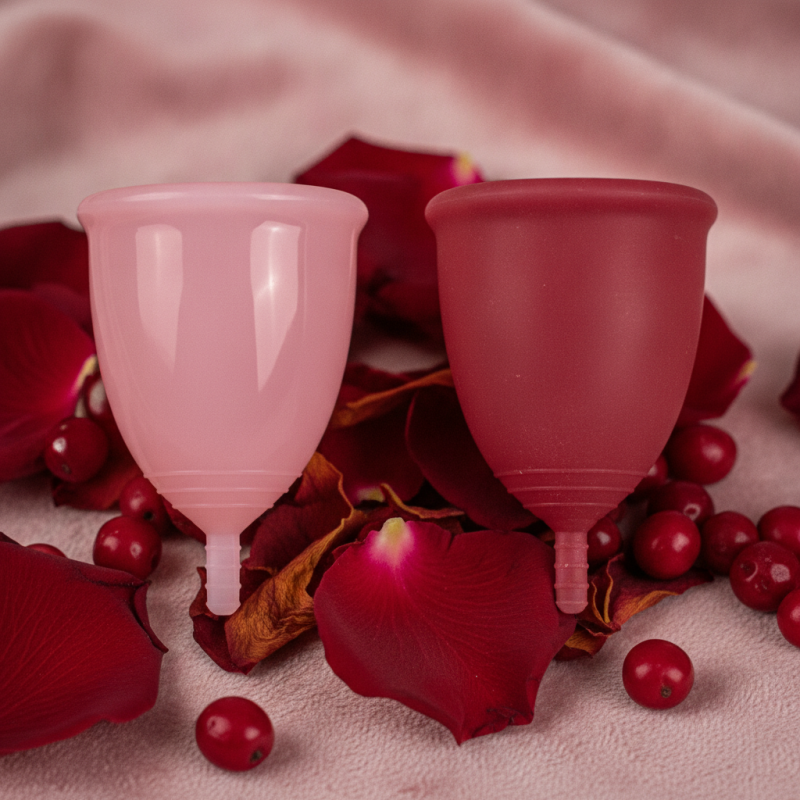
“I’ve had the same cup for three years, should I replace it now?” It’s a question we get often, and the honest answer is: it
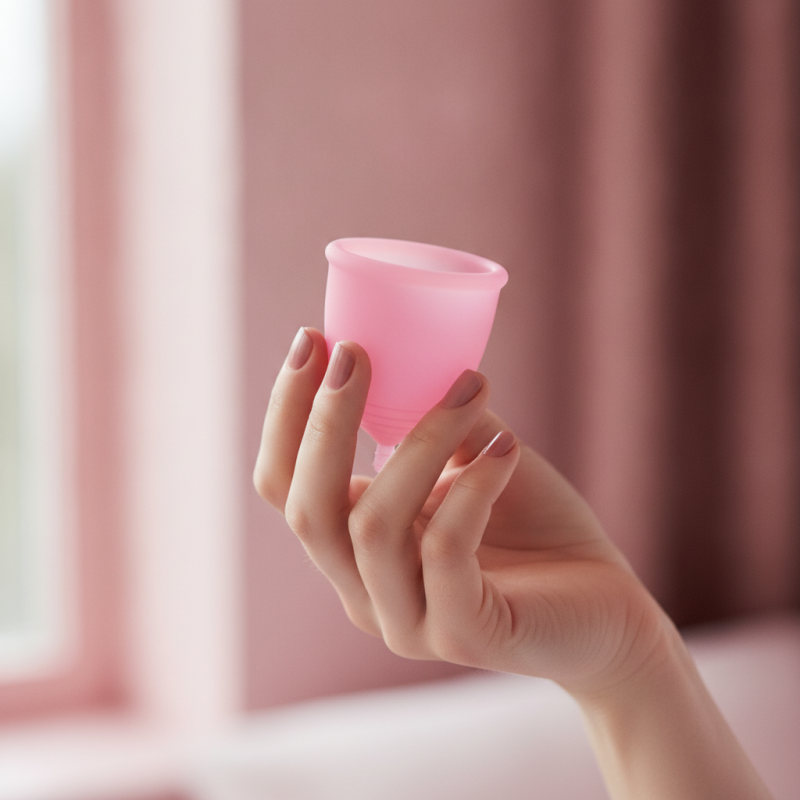
We sell menstrual cups, so you’d expect this article to tell you the cup is perfect for everyone. It isn’t, and we’d rather tell you

