Guides for Use & Maintenance
How to Wash Period Panties So They Last for Years
“I washed them like any other underwear and within a few months they didn’t absorb the same”: it’s the number-one reason people are disappointed with

Can you buy a menstrual sponge at your local pharmacy? The answer is almost always no, counterintuitive as it sounds for an intimate hygiene product. The menstrual sponge at the pharmacy is still a rare find: few chains stock it, and when you do find it, the price is usually higher than buying it direct from the source. Here’s where it’s really sold, what to expect from each channel, and how to choose the right sponge so it isn’t money wasted.
The reality is that the menstrual sea sponge has almost no presence in Spanish pharmacies, unlike the menstrual cup or eco-friendly tampons, which have won shelf space in recent years. It’s a niche product, and many pharmacists don’t even have it in their catalog. If you ask, you’ll often be told to order it, with a wait of several days and no guarantee the type or size you need will arrive.
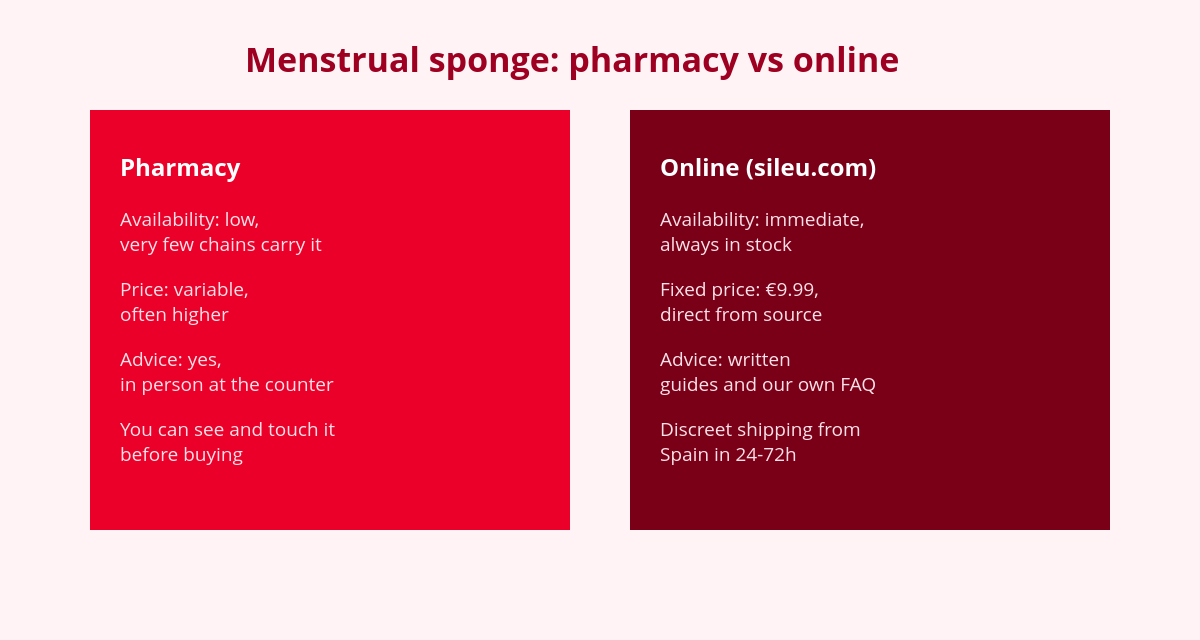
This contrasts with other countries where sea sponges have been sold for decades in health food shops and drugstores as natural cosmetics (for exfoliation, for example), and only some of those sponges are prepared and certified for menstrual use. If you buy at a pharmacy, ask explicitly whether it’s a sponge suitable for menstrual use, not a generic bath sponge.
Buying online is, today, the main channel for this product in Spain. But not every shop offers the same thing, and this is where your purchase really succeeds or fails:
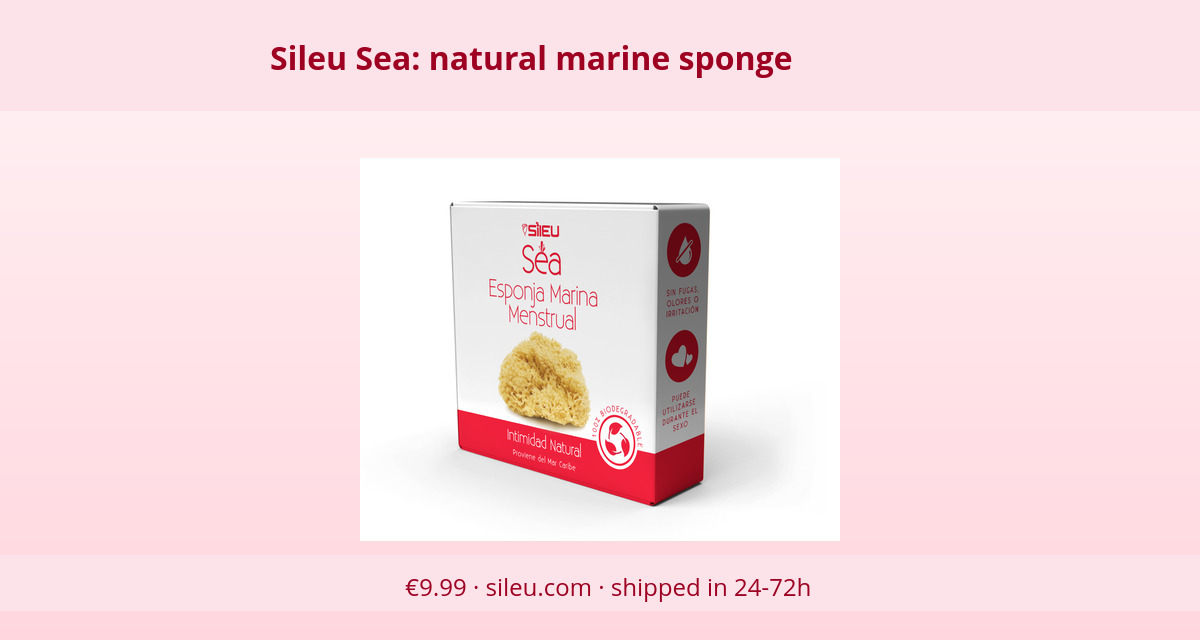
Sileu Sea — €9.99
A natural sea sponge from the Caribbean Sea, with no strings or plastic, reusable for several cycles. Discreet shipping from Spain in 24-72h.
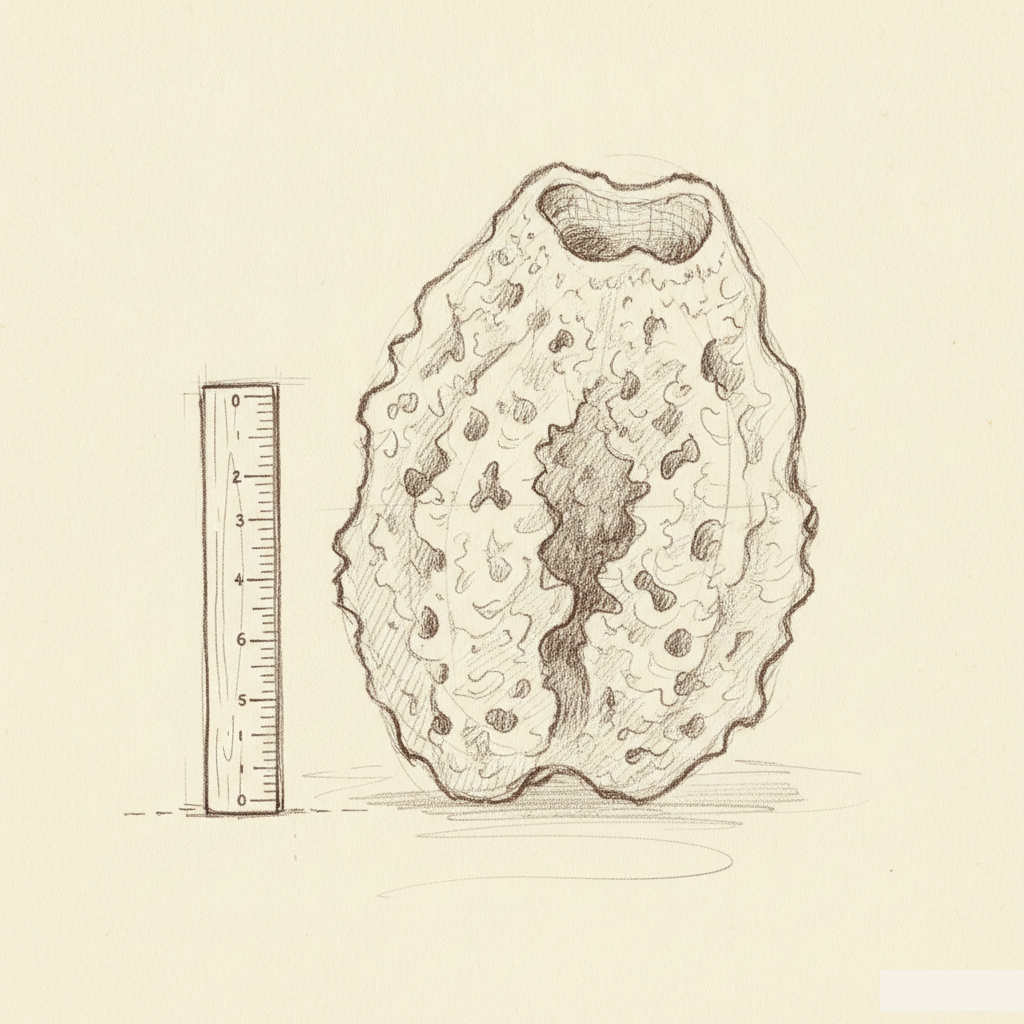
Unlike a cup or a tampon, which always come out of the mold the same, each sea sponge is a natural piece different from the last. When choosing, look at three things:
Size. For light to medium flow, a small to medium sponge is usually enough; for heavy flow, a slightly larger piece or changing it more often during the day is best. If it’s your first time, start with the shop’s standard size before looking for variations.
Texture. It should feel soft to the touch, with no hard spots or rough edges. A quality sponge compresses easily between your fingers and recovers its shape when released.
Pore density. Small, even pores hold flow better and are more comfortable; very large, irregular pores usually indicate a lower-quality piece, intended more for cosmetic exfoliation than intimate use.
If after reading this you’re still torn between a sponge, a cup or a disc, our general guide to the menstrual sponge compares the three methods in more detail, and in natural menstrual sea sponge: origin, hygiene and care we go deeper into how to clean it between uses so it doesn’t wear out early.
Before you buy, it’s worth knowing that using one has its own learning curve, different from the cup’s:
It’s precisely this flexible shape that makes the sponge the most discreet reusable option for having sex on your period without mess, something neither the cup nor conventional tampons solve as well. If you’re also traveling with it, store it dry in a breathable SileuCase rather than a sealed plastic bag; in our guide on traveling on your period you’ll find more tips that also apply to the sponge.
With a sponge, hygiene isn’t an extra: it’s half the method. Rinse it with lukewarm water after each use during the day, and at the end of your cycle wash it thoroughly with a mild, unscented soap and let it air-dry completely before storing it — storing it damp is the number-one reason a sponge wears out early or smells bad the following cycle. Avoid dish soap, bleach or very hot water, which damage the porous structure. If you have specific questions about odors, stains or when to throw a sponge away, our FAQ section gathers the most common questions about reusable intimate hygiene products.
At €9.99, the menstrual sponge is one of the cheapest reusable options to start with, below even the most affordable menstrual cup. It lasts several cycles with proper care, although its lifespan is usually somewhat shorter than a medical-grade silicone cup: a well-cared-for sponge typically lasts 3 to 6 months of regular use, compared with the years a Sileu Classic cup (€14.99) lasts. Even so, the savings compared with buying tampons every month are real, and the upfront outlay is the lowest in the whole reusable range.
Scientific evidence on reusable intimate hygiene products, such as the systematic review in The Lancet Public Health (2019) on the menstrual cup (43 studies, more than 3,300 participants), supports that properly cleaned reusable alternatives are safe and effective for managing flow. There are fewer published studies on the sponge specifically than on the cup; that’s why we stress hygiene so much: it’s the variable that matters most for the safety of this method.
Torn between a sponge and a cup? Start with the Sileu Classic — €14.99
If you want something that lasts years rather than months, the menstrual cup is the reusable option with the longest lifespan and the most research behind it. Medical-grade silicone certified to ISO 10993.
It isn’t a universal alternative, but there are situations where it clearly makes sense compared with a cup or conventional tampons:
And when it isn’t: if you want maximum lifespan per unit, have very heavy flow that needs widely spaced changes, or want the backing of the largest body of scientific studies, the cup is still the option with the most evidence behind it.
We answer the most common questions before you decide on this method.
It’s uncommon: very few pharmacies in Spain stock menstrual sponges, and when you find one it usually costs more than buying it online direct from the source, like the Sileu Sea for €9.99.
In shops that state the sponge’s origin and harvesting, deliver it clean and ready to use, and give clear size information. The Sileu Sea comes from the Caribbean Sea, with controlled harvesting.
With good care and hygiene between cycles, a menstrual sea sponge usually lasts 3 to 6 months of regular use, much less than a silicone menstrual cup, which lasts for years.
For light to medium flow a standard size is usually enough; for heavy flow, a slightly larger piece or more frequent changes is best. Being natural pieces, each sponge varies slightly in size.
Buy it direct from the source: Sileu Sea — €9.99
No searching pharmacies with uncertain availability. Shipped from Spain in 24-72h, with the origin and care information you need before your first use.
Keep reading:
“I washed them like any other underwear and within a few months they didn’t absorb the same”: it’s the number-one reason people are disappointed with
“I’ve had the same cup for three years, should I replace it now?” It’s a question we get often, and the honest answer is: it
We sell menstrual cups, so you’d expect this article to tell you the cup is perfect for everyone. It isn’t, and we’d rather tell you

