Guides for Use & Maintenance
How to Wash Period Panties So They Last for Years
“I washed them like any other underwear and within a few months they didn’t absorb the same”: it’s the number-one reason people are disappointed with


Did you know that some high-impact sports can put as much strain on your pelvic floor as the effort of childbirth? It sounds counterintuitive: exercise is supposed to strengthen you, not weaken you. But the pelvic floor doesn’t work like other muscles: not every impact trains it, and some of the sports most recommended for “getting fit” are precisely the ones that put the most pressure on these muscles. Here’s which sports really strengthen it, which ones to keep an eye on, and how to keep training without taking risks.
The pelvic floor is the group of muscles and ligaments that supports the bladder, uterus and rectum, like a hammock that stops these organs from dropping. Together with the abdominal and lower back muscles it forms what’s known as the core, the body’s center of stability. You can read the full explanation in our guide to what the pelvic floor is and how to strengthen it.
The problem is intra-abdominal pressure: every time you jump, run or lift weights while holding your breath, that pressure pushes down on the pelvic floor. If the muscles are trained and coordinated with your breathing, they absorb it well. If not, each repetition is a small cumulative blow that, over the years (and especially after childbirth), can lead to urinary incontinence or pelvic organ prolapse.
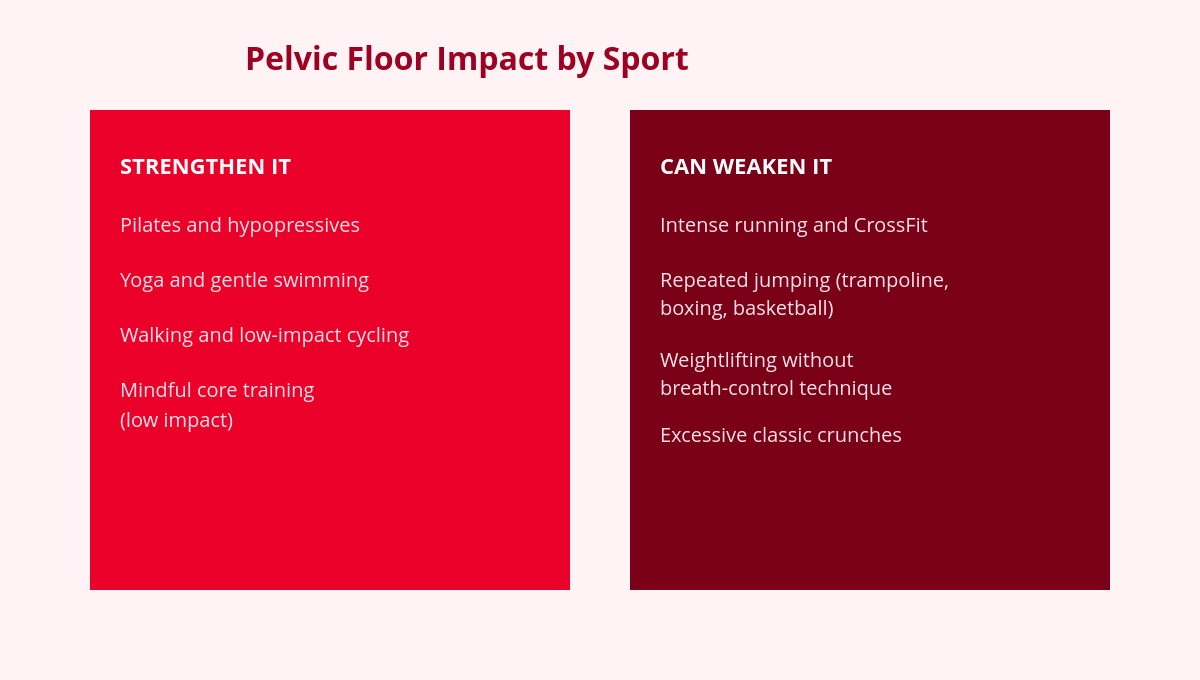
Low- or medium-impact exercise, which doesn’t create sudden spikes in intra-abdominal pressure, is what really trains these muscles:
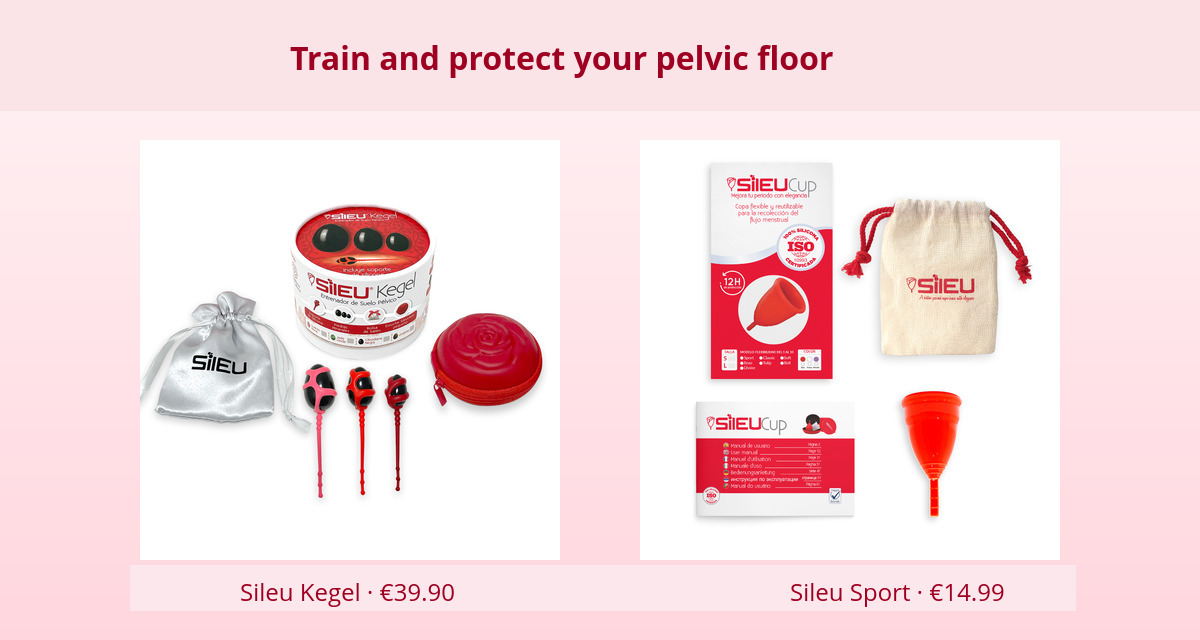
Train with guidance: Sileu Kegel — €39.90
Pelvic floor trainer with a set of 3 semi-precious stones of progressive weight, for guided Kegel practice. Shipped from Spain in 24-72h.
This isn’t about giving up exercise —a sedentary lifestyle doesn’t help the pelvic floor either— but about knowing which disciplines call for more care, especially if you already have symptoms or have recently given birth:
If you recognize symptoms such as leaking when you cough or jump, a feeling of heaviness in the vagina or discomfort after training, check our guide on how to tell if your pelvic floor is weak and consider seeing a physiotherapist who specializes in the pelvic floor before continuing with heavy loads.
You don’t have to choose between “exercising” and “looking after your pelvic floor”. With a few adjustments, most sports can be practiced more safely:
The scientific evidence supports specific pelvic floor training, and the review in The Lancet Public Health (2019) on reusable menstrual products also reinforces that you can keep using a menstrual cup normally while exercising, with no added risk if your pelvic floor is healthy. In fact, a menstrual cup for athletes is often more comfortable than a tampon during high-impact exercise, precisely because it doesn’t dry you out or shift in the same way.
Train worry-free: Sileu Sport — €14.99
Our firmest menstrual cup, designed for athletes and women with a high level of physical activity. Medical-grade silicone certified to ISO 10993. Shipped from Spain in 24-72h.
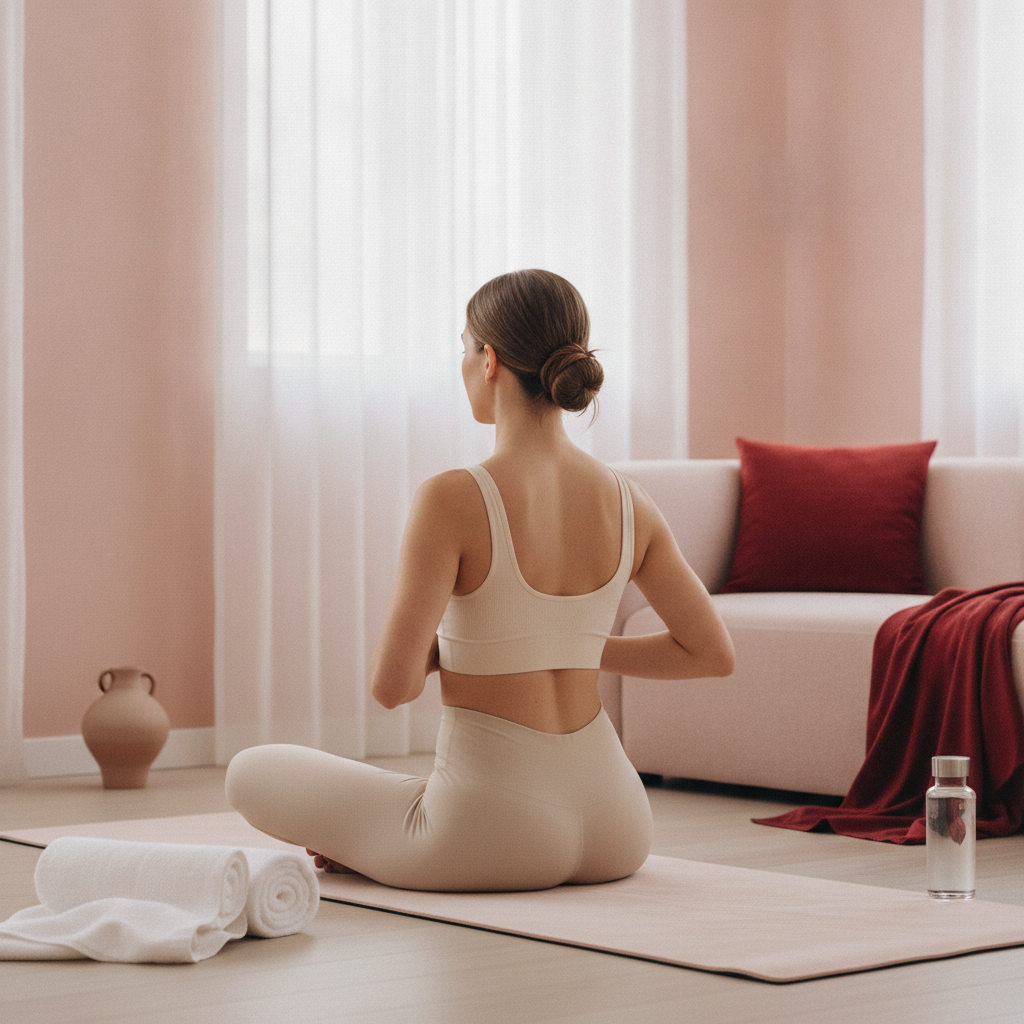
You don’t need to sign up for a specialist class to get started. This simple sequence, standing or lying down, is a good starting point:
Coordinating the maneuver can be tricky at first; that’s normal. If you have a history of high blood pressure or glaucoma, or you’re pregnant, check with your doctor or physiotherapist first, as expiratory apnea isn’t advisable in every case.
After training, look after your intimate hygiene too: an intimate gel with a probiotic complex, pH 3.5 after a sweaty workout helps keep the area in balance, and if you train away from home, keeping your cup or accessories in a SileuCase inside your gym bag stops them getting dirty or knocked about among the rest of your kit.
If you’ve recently given birth (vaginally or by C-section), your pelvic floor needs recovery time before you go back to high-impact sports, however fit you were before pregnancy. Our guide to the pelvic floor in pregnancy and postpartum details which exercises are safe at each stage. And if you also notice urine leaks when exercising, it isn’t “normal and inevitable”: in mild urinary incontinence we explain why it happens and how to improve it, often with the same specific training we’ve described here. If you’d prefer a more gradual approach than the Kegel stones, Kegel balls vs. a Kegel trainer is another comparison that can help you decide where to start.
A final note on expectations: strengthening the pelvic floor isn’t a one-week process, just as building muscle anywhere else in the body isn’t. Physiotherapy studies usually talk about 8 to 12 weeks of consistent training to notice a clear improvement in the strength and control of these muscles, whether with Kegels, hypopressives or a combination of both. Consistency matters more than intensity: 10 well-done minutes a day beat a long, occasional session once a week.
We answer the questions we get most often about training without neglecting these muscles.
Pilates, hypopressive exercises, yoga, gentle swimming, walking and specific Kegel exercises train the pelvic floor best, because they’re low or medium impact and don’t create sudden spikes in intra-abdominal pressure.
High-intensity running and CrossFit, sports with repeated jumping (trampoline, boxing, basketball), weightlifting without proper breathing technique and too many classic sit-ups put the most pressure on these muscles.
Yes, with adjustments: reduce your impact volume, add hypopressive or Kegel sessions as a complement, learn to activate your pelvic floor before the effort, and avoid holding your breath when lifting. If symptoms persist, see a specialist physiotherapist.
Yes. A menstrual cup such as the Sileu Sport is designed for women with a high level of physical activity and doesn’t interfere with pelvic floor training, as long as you insert and remove it correctly.
Train your pelvic floor: Sileu Kegel — €39.90
The ideal complement to any sport, with progressive weights that adapt to your level. Shipped from Spain in 24-72h.
Keep reading:
“I washed them like any other underwear and within a few months they didn’t absorb the same”: it’s the number-one reason people are disappointed with
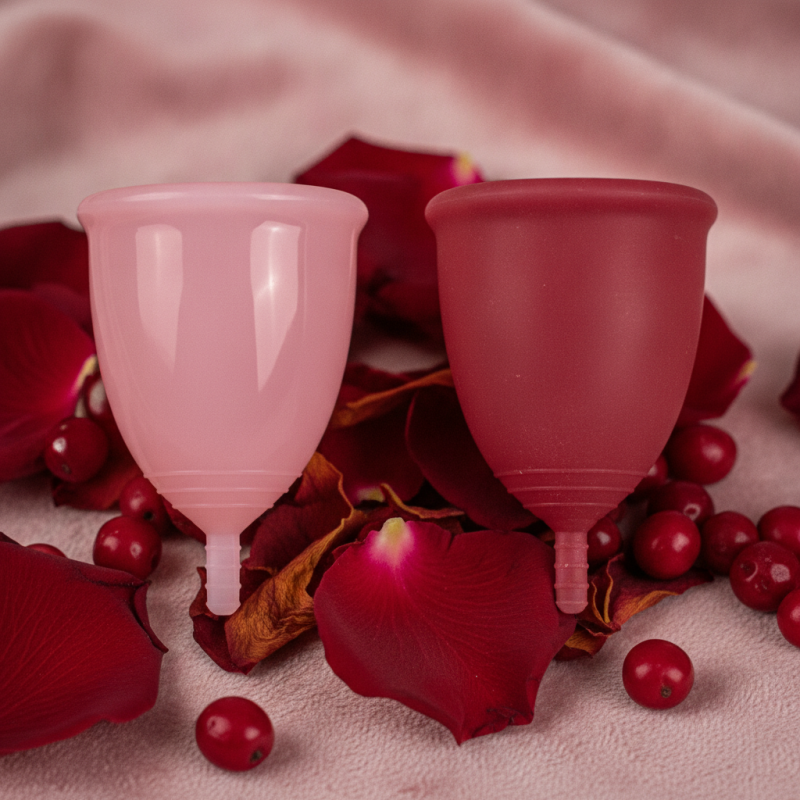
“I’ve had the same cup for three years, should I replace it now?” It’s a question we get often, and the honest answer is: it
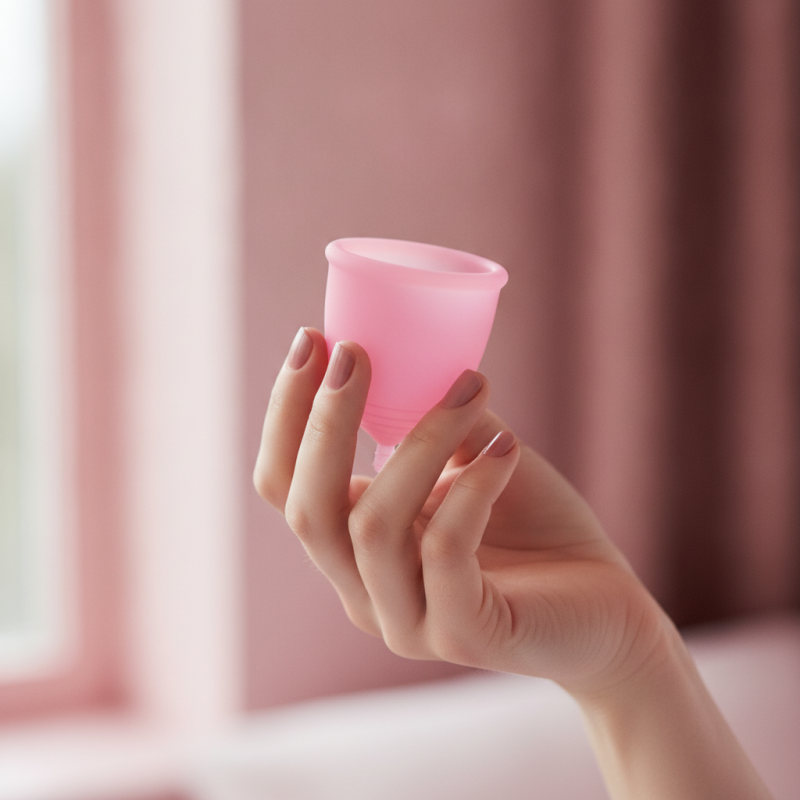
We sell menstrual cups, so you’d expect this article to tell you the cup is perfect for everyone. It isn’t, and we’d rather tell you

