Guides for Use & Maintenance
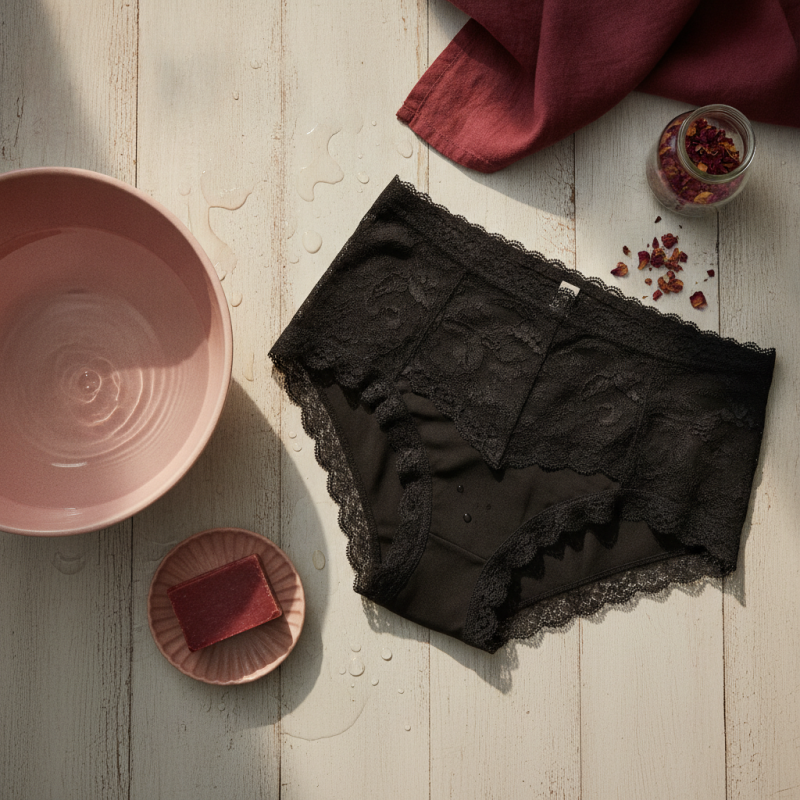
How to Wash Period Panties So They Last for Years
“Las lavé como cualquier ropa interior y a los pocos meses ya no absorbían igual”: es el motivo número uno por el que alguien se

Did you know a conventional disposable pad can contain up to 90% plastic, even though it looks like “just fabric” from the outside? If you’re looking to cut down your contact with plastic and possible added chemicals without giving up something as simple as a pad, cotton pads are one of the easiest swaps to make. We cover what to check before buying and what truly plastic-free options actually exist.
Standard disposable pads usually combine cellulose with layers of polyethylene or polypropylene (the “plastic” that makes them waterproof) and, in some cases, synthetic super-absorbent gels. A certified organic cotton pad, by contrast, skips those plastic layers against the skin, reducing both the waste generated and the friction of synthetic materials on an especially sensitive area. If you want the full context on what conventional pads actually contain, we break it down in our comparative analysis of pad and tampon brands.
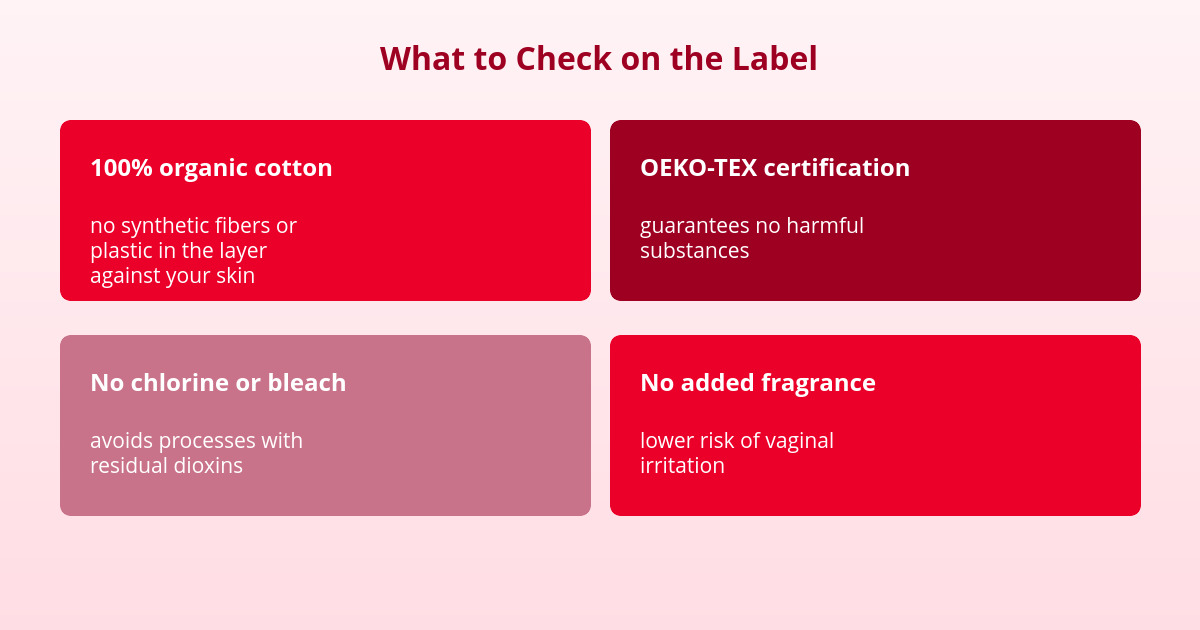
Not everything marketed as “cotton” is 100% cotton. Before buying, check these four points:
A study published in 2025 in the journal Environment International analyzed the chemical composition of 64 intimate and menstrual hygiene products — including tampons, pads, cups, and sponges from manufacturers in the EU, US, and China — looking for potentially hazardous substances. The analysis detected 55 distinct compounds in the extraction phase (phthalates, siloxanes, volatile organic compounds, fragrances, and plastic additives), but when simulating real-use conditions, 65% of those compounds weren’t released in detectable amounts. Of the 19 compounds that did migrate under real-use conditions, most were fragrances and phthalates, at levels the authors describe as low (parts per billion to parts per million). The researchers’ own conclusion is clear: most potentially hazardous substances present in these products aren’t detected under real-use conditions, but exposure to phthalates and fragrances remains possible. It’s exactly that possibility that justifies choosing certified, fragrance-free products when an alternative exists, like OEKO-TEX organic cotton. You can check the full study on PubMed.
The logical next step: Sileu period panties — €9.99
Organic cotton certified OEKO-TEX Standard 100 (free of harmful substances), with no plastic layers or fragrances. Washed and reused for hundreds of cycles. Shipped from Spain in 24-72h.
Within “cotton” options, there are two very different categories. Disposable cotton pads replace the plastic layers with biodegradable plant-based materials, but they’re still single-use: they reduce skin contact with plastic, though they still generate waste every cycle. Reusable cotton pads (cloth, with a button closure) are washed and used for years, cutting both waste and recurring cost. The natural next step within this same philosophy — pad-level comfort, zero waste, zero plastic — is organic cotton period panties: absorption is built into the fabric itself, with nothing to place or remove separately.
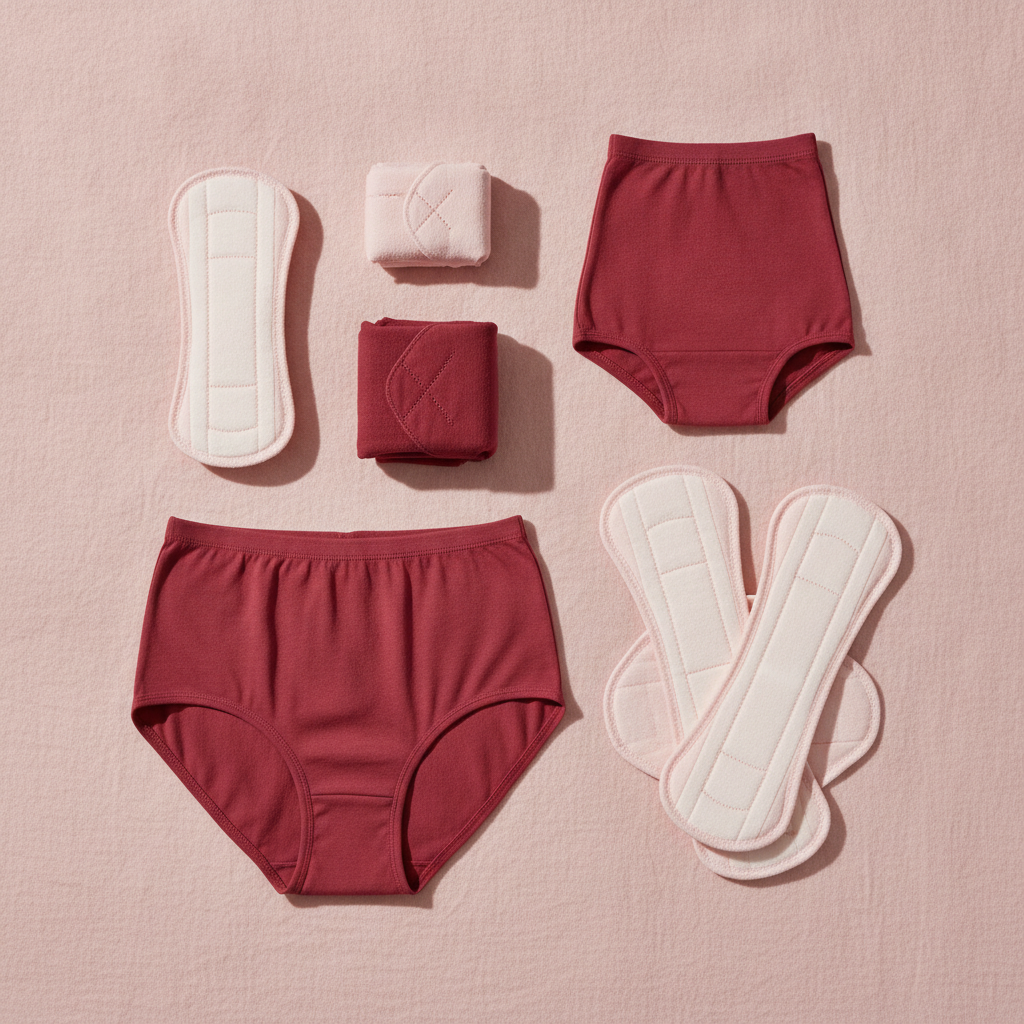
A pack of conventional pads gets bought, used within a few days, and restocked the following month, month after month, year after year: it’s a constant-repurchase business. Organic cotton period panties, on the other hand, are bought once and last for years with proper care, which partly explains why they don’t get the same advertising investment as a product you have to replenish every 28 days. It isn’t a conspiracy theory, it’s simple business logic: whoever sells something that lasts for years has far less incentive to shout about it than whoever sells something that runs out every month.
The best of both worlds: Panty + Sileu Rose Cup Pack — €26.99
The Rose cup for heavy days and certified organic cotton panties for the rest of your cycle, without buying another pack of pads. Shipped from Spain in 24-72h.
If you go with reusable cotton pads, care is simple: rinse with cold water right after taking them off (hot water sets blood into the fiber and makes cleaning harder), then they can be machine washed with the rest of your laundry at a moderate temperature, without fabric softener, which reduces cotton’s absorbency over time. Air dry them whenever possible to better preserve the fiber. It’s the same care principle we apply to organic cotton period panties: a rinse, a normal wash, and ready for the next cycle, for years.
Many women start by combining reusable cotton pads for light-flow days with a menstrual cup for heavy days; if you’d rather go straight for the convenience of not having to place or remove anything, the Sileu Rose is the cup designed to make that leap simple from the very first cycle.
The average user spends between €5 and €10 a month on disposable pads and tampons, which adds up to €60-120 a year, a figure that repeats every year across decades of fertile life. Organic cotton period panties, with basic wash care, pay for themselves within a few months and stay useful for years. In terms of waste, each disposable pad can take hundreds of years to break down because of its plastic components; replacing even part of your cycle with reusable options directly and measurably reduces that impact. We go deeper into the full environmental impact in your period’s carbon footprint: the impact of pads and tampons and in living without plastic: menstruating without harming the oceans.
If you’re also concerned about the markup sometimes charged on feminine hygiene products compared to “neutral” equivalents, check out the pink tax: do you pay more for menstruating?, and if you want to make the full switch to reusable products step by step, don’t miss transitioning to the menstrual cup: how to stop using tampons and pads.
Only if they’re certified 100% organic cotton across all their layers, including the base. Many pads marketed as “with cotton” still have plastic layers in the base or absorbent core; it’s worth checking the full label.
OEKO-TEX Standard 100 certification, which guarantees no harmful substances in the fabric after lab testing. It’s the same standard Sileu period panties carry.
A 2025 study in Environment International analyzed 64 menstrual products and found that, while dozens of compounds are identified in the material, most aren’t released in detectable amounts during real use; exposure to trace phthalates and fragrances is possible, which is why choosing certified, fragrance-free products is worthwhile.
For light to moderate flow, yes, with nothing else needed. For heavy periods, many users combine them with a menstrual cup as backup on the heaviest-flow days.
Against an average spend of €60-120 a year on disposables, an organic cotton period panty pays for itself within a few months and lasts for years, adding up to significant savings over time.
Keep reading:
“Las lavé como cualquier ropa interior y a los pocos meses ya no absorbían igual”: es el motivo número uno por el que alguien se
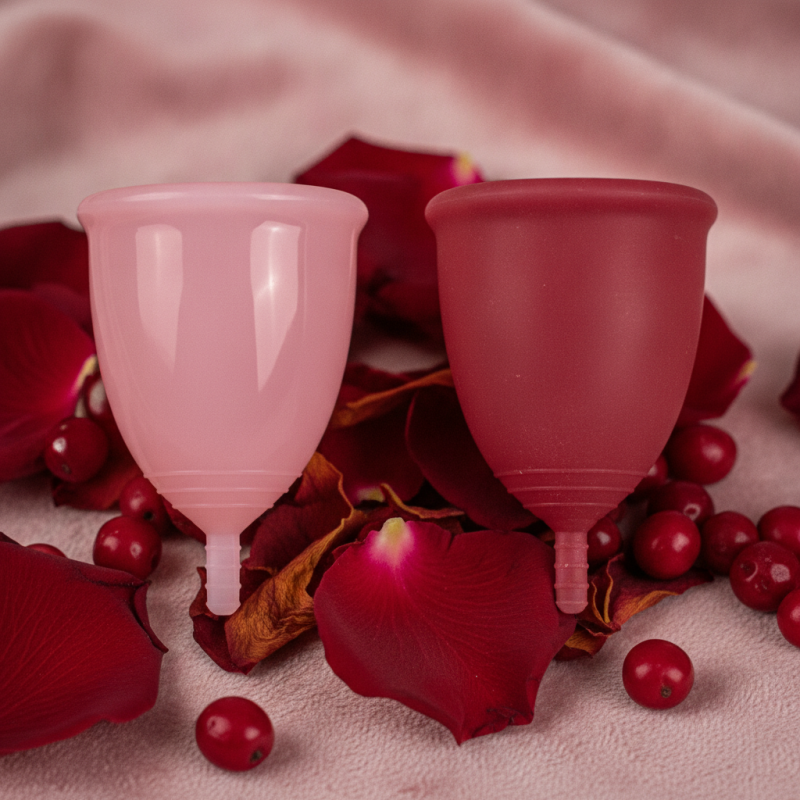
“I’ve had the same cup for three years, should I replace it now?” It’s a question we get often, and the honest answer is: it
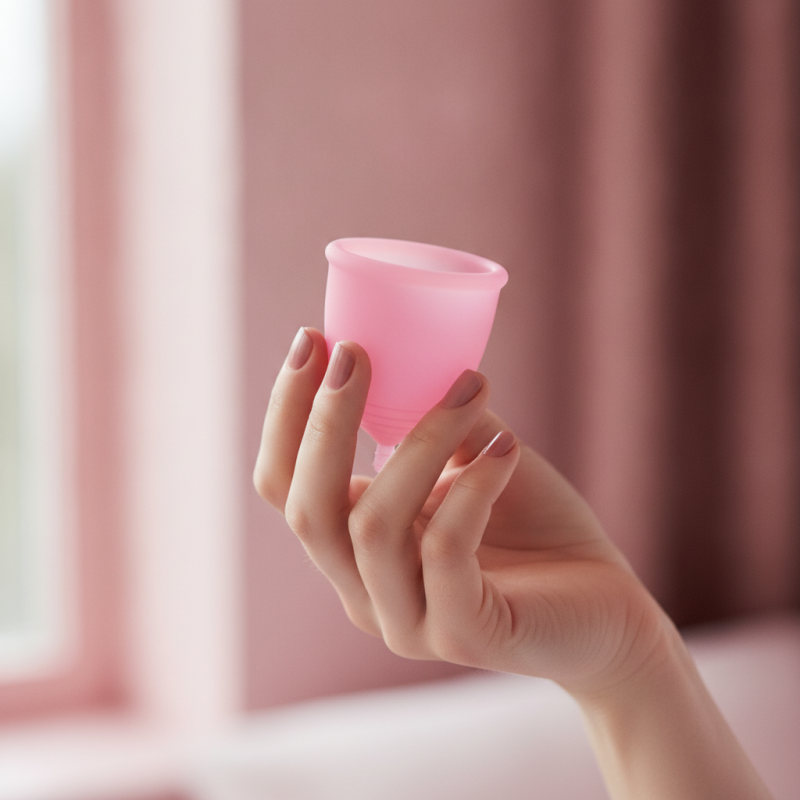
Vendemos copas menstruales, así que lo lógico sería que este artículo te dijera que la copa es perfecta para todo el mundo. No lo es,

