Guides for Use & Maintenance
How to Wash Period Panties So They Last for Years
“I washed them like any other underwear and within a few months they didn’t absorb the same”: it’s the number-one reason people are disappointed with


Did nobody warn you that postpartum pads would need to be so much bigger than the ones you use for your regular period? You’re not alone: bleeding after birth (called lochia) can last up to six weeks, and most expecting mothers reach that moment never having talked about it with anyone. Here’s what pads you actually need, no alarmism, with real figures on how bleeding changes week by week and what alternatives exist once you want to stop buying them every month.
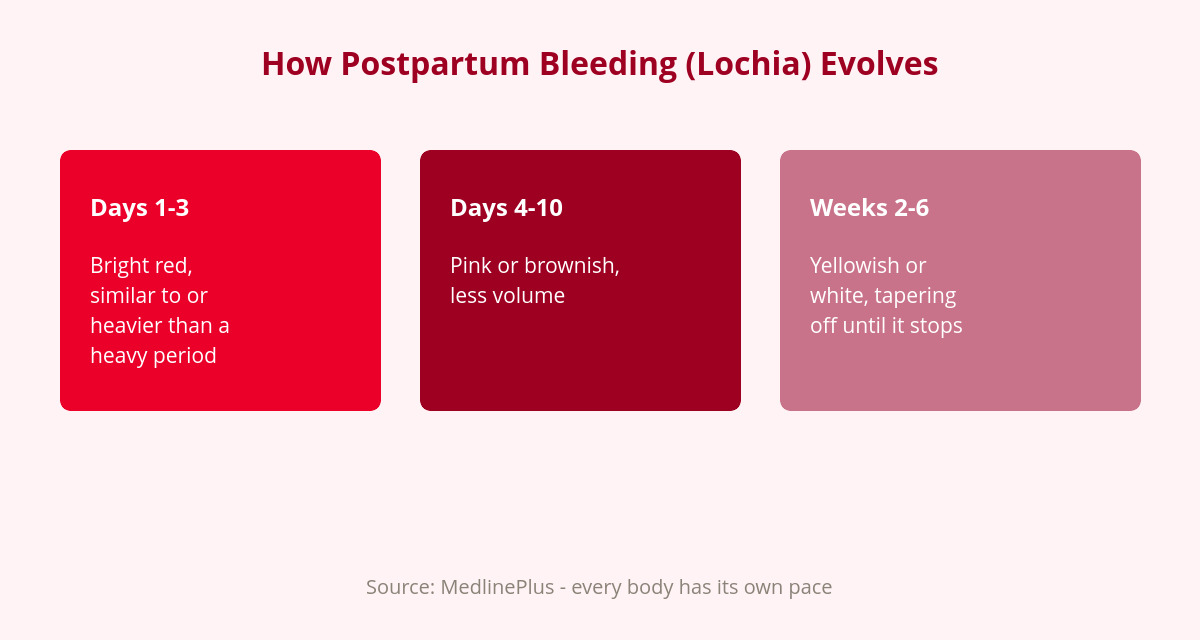
After giving birth — vaginally or by C-section — the uterus expels a mix of blood, mucus, and healing tissue for several weeks: this is called lochia. According to MedlinePlus, this bleeding can last up to 6 weeks, and it’s normal for it to drop off a lot in the first week without fully disappearing for several more weeks. That’s why your usual period pads fall short: in the first few days flow can be heavier than the heaviest period you’ve ever had, and you need pads with more capacity and surface area, designed for limited movement and sensitive postpartum skin.
Knowing the expected pattern helps you tell what’s normal from what’s worth a call to your midwife. Broadly speaking:
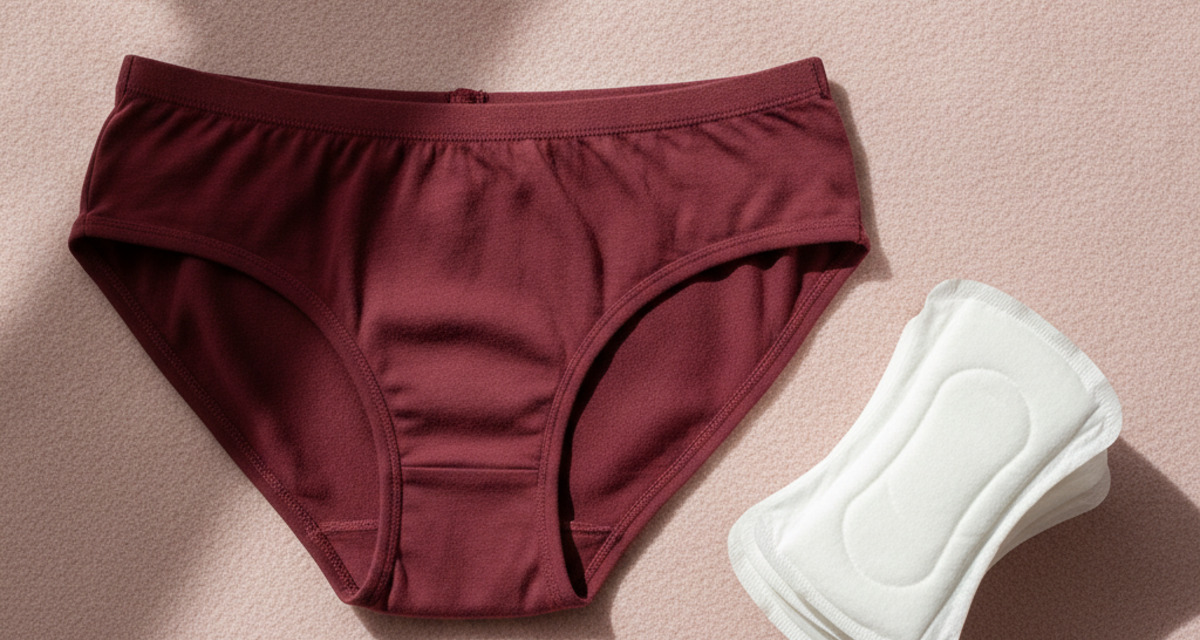
When it’s time to leave pads behind: period panties — €9.99
Certified OEKO-TEX Standard 100 organic cotton (free of harmful substances), breathable and hypoallergenic: ideal for the final stage of postpartum, when bleeding is already light but you still want discreet protection with no single-use chemicals. Shipped from Spain in 24-72h.
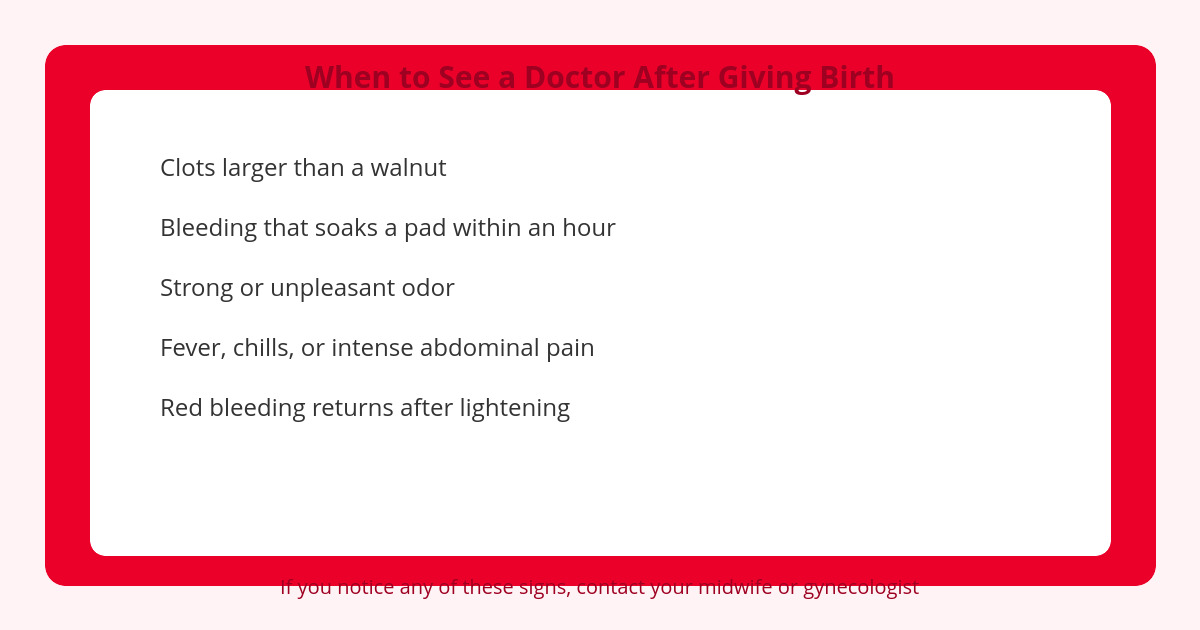
Postpartum is YMYL territory: there’s no room for guesswork here. Contact your midwife or gynecologist if you notice any of these signs, per MedlinePlus guidance:
None of this replaces a professional’s evaluation: if you’re unsure, better to make one extra call than one too few. It’s also common to be tracking bleeding while also caring for the pelvic floor, which also needs its own recovery time after birth.
Another very real question during these first weeks: how many postpartum pads do I need to buy? As a general reference, many mothers use between 8 and 12 high-absorbency pads a day during the first three days, gradually dropping to 3-4 a day by the second week. That’s several packs just in the first phase, and the cost adds up right when you least feel like keeping track of restocking. This isn’t a minor detail: constant disposables repurchase is a business model that depends on you never stopping needing them, and postpartum use spikes suddenly.
Big disposables brands aren’t always transparent about composition and real sizes; we cover it in detail in this breakdown of pad and tampon marketing. For postpartum, prioritize:
Extra intimate hygiene care helps the skin in that area cope with so many days of continuous use: a physiological-pH intimate gel like Chilly is gentler than regular soap at this stage.
Avoid, on the other hand, scented pads or ones with added lotion: postpartum skin is usually more sensitive than usual, and these additives raise the risk of irritation right where you least want it. It’s also not a good idea to reuse unwashed cloth pads between changes “to save”: at this stage, hygiene takes absolute priority over any other consideration, including sustainability, which will have its moment once bleeding eases.
The honest answer here is no, not yet: healthcare professionals recommend avoiding any internal product (cup, tampon) until the uterus, and if there was one, the episiotomy or C-section incision, have fully healed — usually between 4 and 6 weeks, as your midwife will assess at your postpartum checkup. We cover this in more detail in the menstrual cup after vaginal birth or C-section. Until then, postpartum pads (and later period panties) take center stage.
Uterine bleeding (lochia) is practically the same whether birth was vaginal or by C-section, because in both cases the uterus needs to expel the lining that supported the pregnancy. The difference is in the external skin: after a vaginal birth with episiotomy stitches or tearing, it’s best to avoid pads with rigid edges or fragrance that could irritate the area; after a C-section, what matters is that the pad doesn’t rub against the abdominal scar when dressing, which is why many mothers prefer high-waisted underwear together with the pad the first few days. In both cases, changing the pad frequently — every 2-4 hours at first — reduces discomfort and irritation risk, and also makes it easier to monitor the color and amount of bleeding.
A common mistake is buying just one pack of postpartum pads “just in case” and running short: real consumption in the first few days tends to surprise even mothers who’ve had children before. Plan for several packs of high-absorbency pads for the first week, then scale down as bleeding decreases, instead of buying everything the same type.
Many first-time mothers discover during postpartum what people who already know the cup or period panties have been doing for years: that a well-chosen reusable product can even be more comfortable than a disposable one. It’s no coincidence: the pad industry runs on constant repurchase, and one pack after another eventually shows in your budget. Certified organic cotton period panties absorb like a pad, wash, and last for years, and many women use them first during postpartum — once flow is already light — and then keep using them afterward for their regular period. They’re also the most practical option to accompany the gradual return of your cycle, with no monthly repurchasing.
If you’re also looking to keep plastic out of this stage, our plastic-free menstruation guide has the rest of the reusable alternatives, useful for when your cycle returns.
Panty + Sileu Rose cup pack — €26.99
For when your body is ready: certified organic cotton panty for daily protection and the Sileu Rose cup for your period, in a single pack designed for after postpartum. Shipped from Spain in 24-72h.
Postpartum bleeding (lochia) can last up to 6 weeks per MedlinePlus. The first 3 days usually require high-absorbency postpartum pads; from the second week on, regular pads or period panties are enough because flow is much lighter.
Yes, especially from the second or third week on, once bleeding is already light. Certified OEKO-TEX organic cotton period panties absorb just like a pad, are breathable, and avoid recurring disposables purchases.
If you soak a postpartum pad in under an hour, pass clots larger than a walnut, notice a bad odor, fever, or intense abdominal pain, or red bleeding returns after having lightened, contact your midwife or gynecologist right away.
Not right away: it’s recommended to wait until the uterus, and if there was one, the episiotomy or C-section incision, have fully healed, which is usually confirmed at the postpartum checkup between 4 and 6 weeks. Until then, use postpartum pads or period panties.
Keep reading:
“I washed them like any other underwear and within a few months they didn’t absorb the same”: it’s the number-one reason people are disappointed with
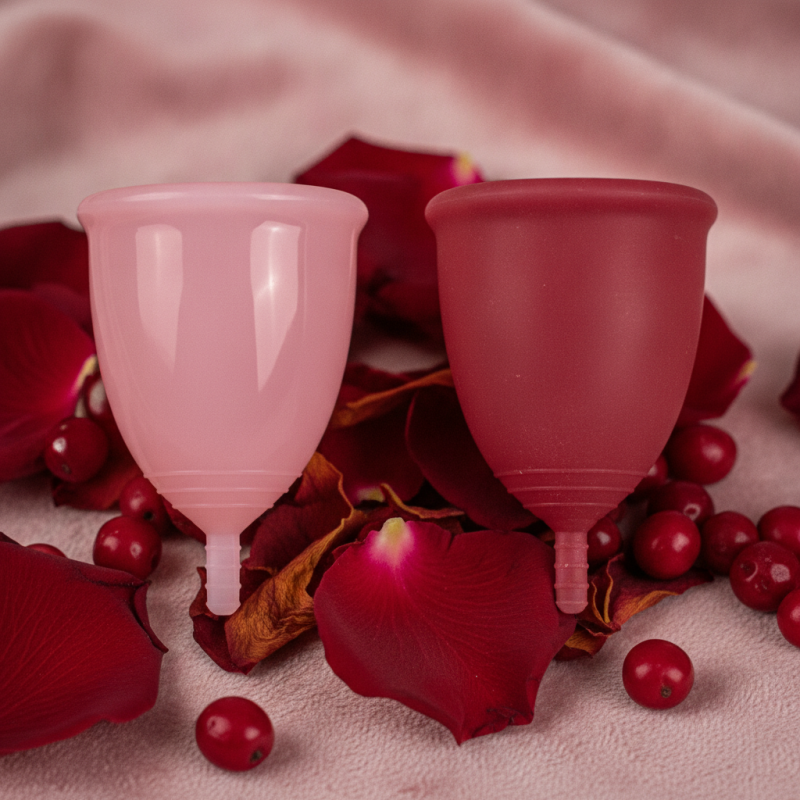
“I’ve had the same cup for three years, should I replace it now?” It’s a question we get often, and the honest answer is: it
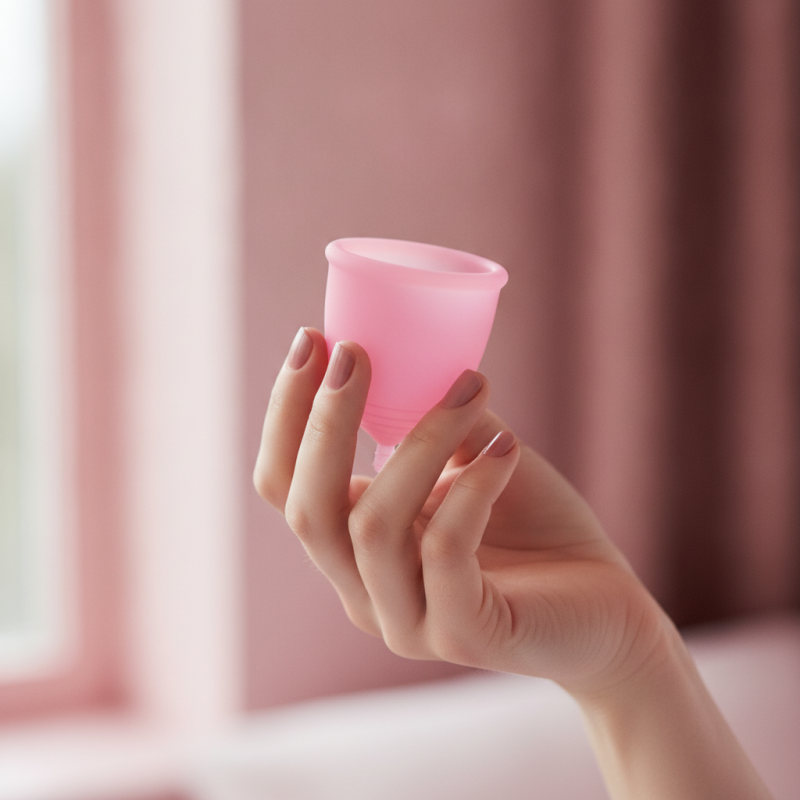
We sell menstrual cups, so you’d expect this article to tell you the cup is perfect for everyone. It isn’t, and we’d rather tell you

