Guides for Use & Maintenance
How to Wash Period Panties So They Last for Years
“I washed them like any other underwear and within a few months they didn’t absorb the same”: it’s the number-one reason people are disappointed with

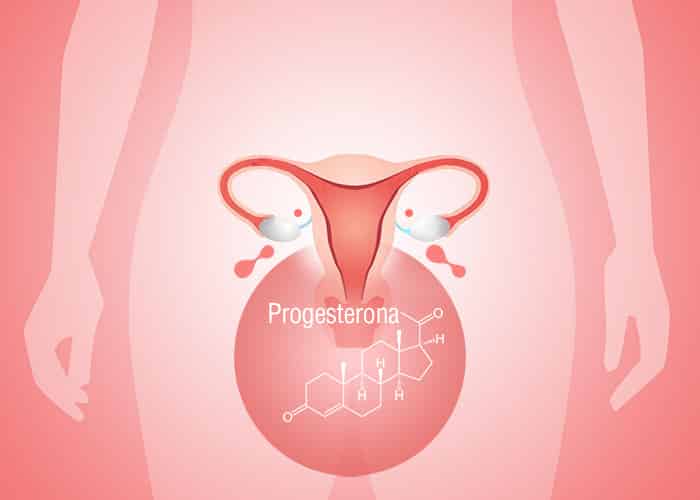
Let’s talk about the hormones responsible for our menstrual cycle, our ability to get pregnant, our sex drive, and basically every function that makes our bodies work the way they do: progesterone and the other female hormones.
Female hormones control everything — from mood, motivation and physiological needs, to making sure the body runs the way it should.
To understand how our body’s chemistry works (which has some clear differences from men’s), let’s break down how hormones actually function.
Progesterone is a female sex hormone responsible for creating the right conditions for fertilization. It prepares the endometrium during the menstrual cycle to receive a possible pregnancy, and if that happens, it helps the pregnancy progress normally.
This hormone is produced by the ovaries in the corpus luteum (a structure formed after ovulation), and later by the placenta.
Progesterone is the hormone that keeps the body from treating a fertilized egg as a threat at the start of pregnancy, helps maintain the pregnancy, and ultimately triggers labor at the end of it.
It’s also responsible for lactation and for the increase in bra size during pregnancy, since it prepares the mammary glands to produce breast milk.
When fertilization doesn’t happen, the excess progesterone that thickened the endometrium during the rest of the cycle is shed through menstruation.
How do this hormone’s levels affect the body?
Along with progesterone, estrogens are the other major female sex hormones. Derived from androgens (male hormones), there are three main estrogens in the body: estrone, estradiol and estriol.
Estrogens serve several functions and are basically responsible for our feminine shape.
Estrogen levels rise mainly during the first 7 days of the menstrual cycle.
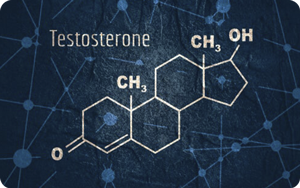
Yes, it’s one of the female hormones too — even though you might associate it with masculinity, women have it as well, just in smaller amounts than men. It’s the hormone mainly responsible for sex drive. It also contributes to competitiveness and physical energy, and helps reduce fat storage.
When testosterone levels drop, sex drive tends to decrease and weight tends to increase.
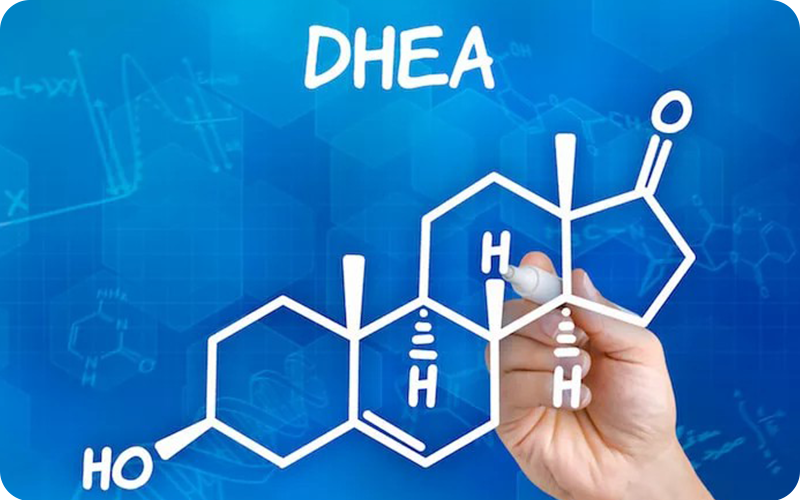
DHEA is a hormone produced by the adrenal glands, which are also responsible for producing other hormones like testosterone and estrogen. It’s closely tied to aging, since its levels decline over the years.
That’s why there are so many supplements, creams and pills aimed at slowing down visible signs of aging and improving cognitive function and body composition.
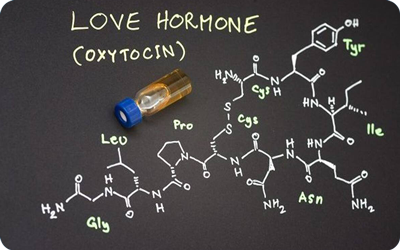
The hormone of happiness, pleasure and love. It’s present in both men and women and is released by the brain. In women, it heightens sexual pleasure, triggers orgasm and supports well-being during breastfeeding. Because it also has a relaxing effect, it can help ease period cramp symptoms.
The body works as the interconnected system it is. Many other hormones play a role in normal female processes too, including thyroid hormones, cortisol, and others.
🌹 Your hormones change your flow — your period care should adapt too
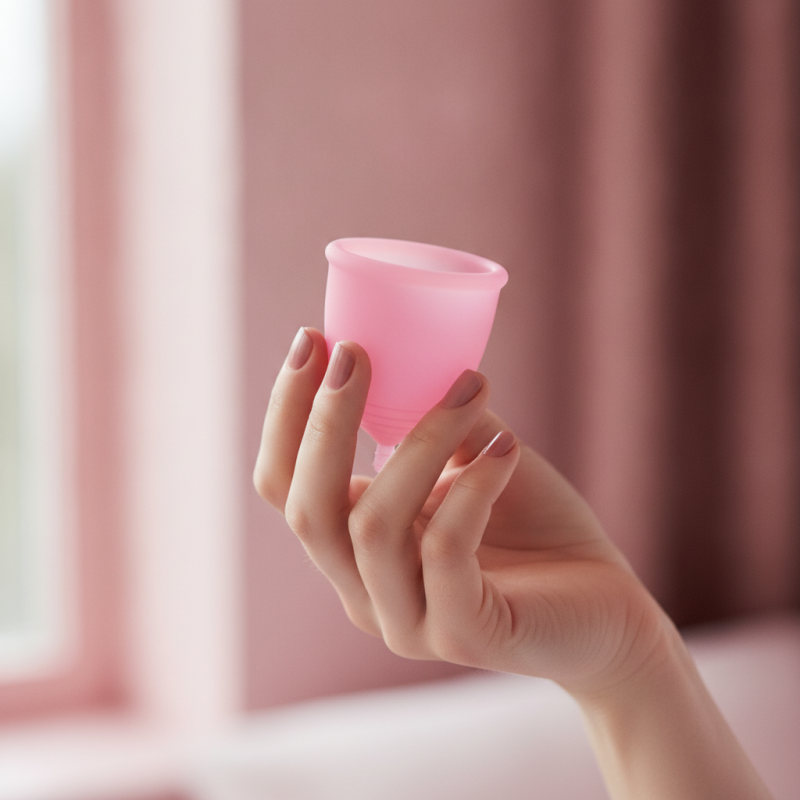
Whatever your cycle brings, a Sileu menstrual cup adjusts to it: up to 12 hours of protection regardless of how your flow shifts day to day. From €14.99, shipped from Spain in 24-72h.
When female hormones fall out of balance, the body tends to show it: loss of sex drive, weight loss or gain, hair loss, or other issues that can affect your health.
It largely comes down to diet. If you’re confident these symptoms aren’t linked to an underlying condition but to small hormonal dips or spikes, certain foods can help bring your hormones back into balance:
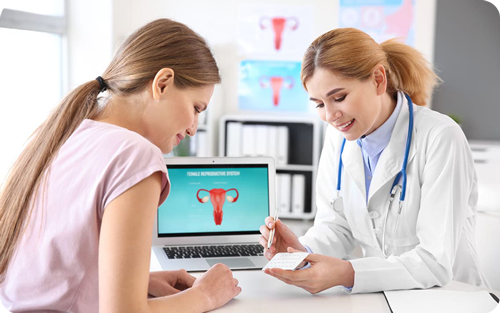
Whenever you notice unusual symptoms — like missing your period for more than three months, concerning signs during pregnancy, excessive menstrual pain, or other signals that something isn’t right — see your doctor.
Other signs that could point to a hormonal disorder include excess hair growth where it shouldn’t be (like around the nipples), or hair loss.
Hormonal deficiency in the early weeks of pregnancy is one of the causes of miscarriage. However, a doctor can treat this with progesterone injections to help prevent it.
The same may be prescribed for irregular menstrual cycles. Similarly, in cases involving polycystic ovary syndrome or other conditions, birth control pills are a common treatment.
If in doubt, the best move is never to self-medicate — see a specialist who can help you get to the bottom of it and start feeling better.
Progesterone prepares the endometrium to receive a fertilized egg, helps maintain pregnancy once it occurs, and triggers labor at full term. When there’s no pregnancy, the excess builds up in the endometrium and is shed as your period.
Estrogen and progesterone are the main drivers of mood swings during the cycle. Falling estrogen is linked to irritability and low mood, while rising progesterone around ovulation is linked to more energy and a more antidepressant effect.
Yes, when the imbalance is mild and not caused by an underlying condition. Fatty fish (omega-3), vitamin B6 from grains and nuts, zinc-rich foods like broccoli, and natural phytoestrogens from soy and flaxseed can all help support hormonal balance.
See a doctor if your period stops for more than three months, if you notice unusual signs during pregnancy, excessive menstrual pain, unexpected hair growth, or hair loss. Don’t self-medicate — a specialist can identify the cause and the right treatment.
Keep reading:
“I washed them like any other underwear and within a few months they didn’t absorb the same”: it’s the number-one reason people are disappointed with
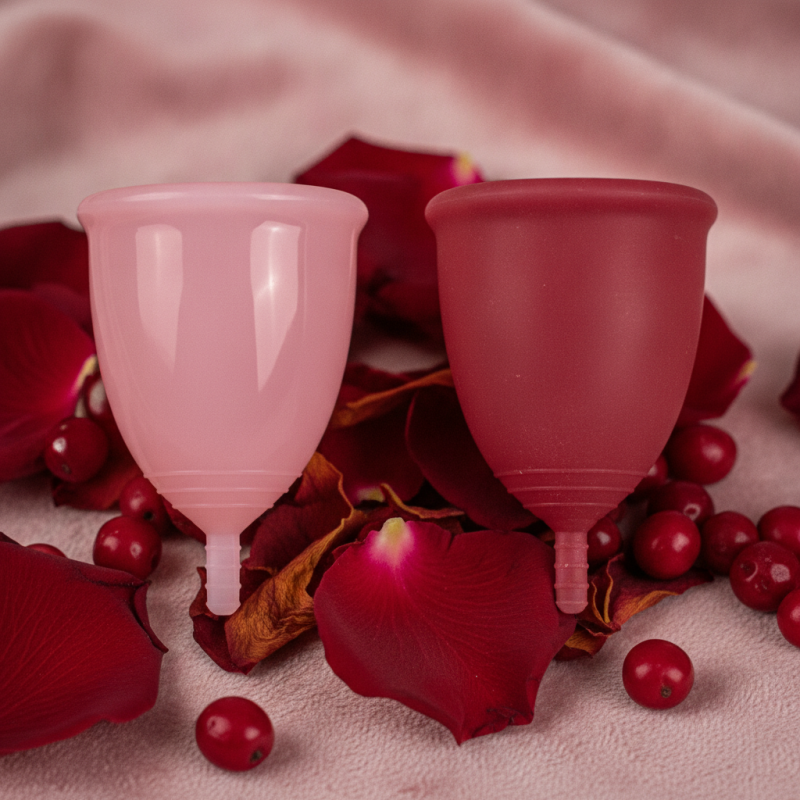
“I’ve had the same cup for three years, should I replace it now?” It’s a question we get often, and the honest answer is: it
We sell menstrual cups, so you’d expect this article to tell you the cup is perfect for everyone. It isn’t, and we’d rather tell you

