Guides for Use & Maintenance
How to Wash Period Panties So They Last for Years
“I washed them like any other underwear and within a few months they didn’t absorb the same”: it’s the number-one reason people are disappointed with

What if we told you that you could stop buying pads every month and still feel exactly the same as in your everyday underwear? It’s the question we’re asked most by customers torn between sticking with the pads they’ve always used or trying period underwear: is it really as comfortable, as absorbent and as cost-effective as it claims? Let’s look at the data, without exaggerating either way.
| Period underwear | Disposable pads | |
|---|---|---|
| Upfront cost | €9.99 per pair | €2-4 per pack |
| Cost over 5 years | ~€100 (with replacements) | ~€600 (average recurring spend) |
| Material in contact with skin | Organic cotton certified to OEKO-TEX Standard 100 | Synthetic layers and superabsorbent gel |
| How it feels | Ordinary underwear | You feel the pad; it can rub or bulge |
| Waste | Reusable, washable, lasts years | New waste every few hours |
| Recommended use | On its own, or with a cup for heavy flow | Single use, frequent changes |
Reference prices on sileu.com, August 2026. Average spending on conventional pads varies by brand and how often you change, but consumer associations put typical spending at around €8-12 a month.

The most common complaint about pads isn’t absorbency, it’s the feel: you notice the bulk, the rubbing on your thighs as you walk, and on hotter days the synthetic surface doesn’t breathe like cotton. Sileu period underwear is made of organic cotton certified to OEKO-TEX Standard 100 (free from harmful substances): inside and out it’s a piece of underwear, with technical absorbent layers sewn inside that you can’t feel to the touch or when you move. Many users who switch say the same thing: the first time they wear it all day they wonder why they didn’t discover it sooner, because they simply forget they have it on.
Pads, for their part, have a real advantage: they don’t require any washing or planning; you throw them away and that’s it. For some routines (very long trips without access to a washing machine, for example) that matters. But day to day at home or at work, physical comfort usually tips the balance toward cotton.
🌸 Sileu period underwear — €9.99
Organic cotton certified to OEKO-TEX Standard 100, reusable, breathable and absorbent. Shipped from Spain in 24-72h.
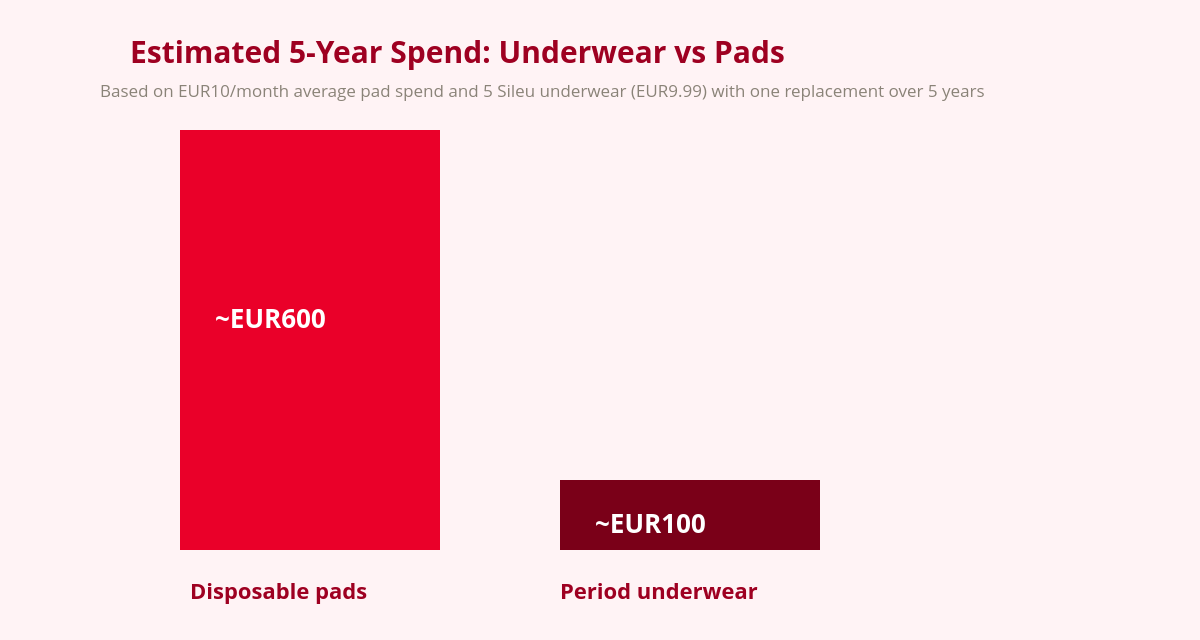
Here’s the part the disposables industry would rather you didn’t calculate: a pad (or a tampon, or any single-use product) is bought again every month, month after month, throughout your fertile life. A €9.99 pair of period underwear that’s washed and reused hundreds of times has nobody advertising the repurchase, because there’s no repurchase to advertise. With average pad spending of about €10 a month, over five years you’d spend around €600. With five pairs of Sileu underwear (about €50) and one replacement halfway through, spending over the same period doesn’t reach €100.
The math is even clearer if you combine them with a menstrual cup: people who use a menstrual cup together with period underwear for their heaviest days or as nighttime backup practically eliminate recurring spending on disposables. We explain it in detail in our guide to period panties and a cup: the leak-free combo.
The most practical question before deciding: how many pairs are enough? It depends on your flow and how often you’re willing to wash, but as a general reference, 4 to 6 pairs cover a full cycle without having to wash every day. You’ll find the detailed calculation, by type of period, in how many period panties do I need?
As for how long they last: well cared for —machine washed cold or warm, without fabric softener or tumble drying—, certified organic cotton period underwear lasts several years of regular use without losing absorbency. Our guide on how to wash period panties so they last for years explains the process step by step, including the most common mistake: washing them in very hot water, which “cooks” the absorbent gel in the technical layers and reduces performance over time.
In terms of safety, pads and period underwear share the same principle: they’re external-contact products, without the risk associated with internal products such as toxic shock syndrome. The relevant difference is the material: while many conventional pads include synthetic layers and fragrances that, on sensitive skin, can encourage local sweating or irritation, the OEKO-TEX Standard 100 certified organic cotton (free from harmful substances) in Sileu period underwear is designed precisely to minimize that risk during prolonged contact with the skin.
There is ongoing scientific debate about the exact chemical composition of disposable menstrual products, with recent studies analyzing which compounds may be present in different brands; it’s still an evolving topic, and we’d rather not cite any specific study here until there’s clear consensus, instead of drawing alarmist conclusions from a single source. What you can control today is choosing certified materials with clear traceability, whatever product you use. If you have specific concerns about a skin reaction, see your gynecologist or dermatologist. For general reference on the cycle, the different menstrual products available and when to seek advice for unusual symptoms, you can check MedlinePlus information on menstruation, a public resource from the U.S. National Library of Medicine.
You don’t always have to settle on a single product. Many users combine them depending on the time of day or the activity: period underwear for sleeping or a quiet day at the office, and a menstrual cup for training or for heavier days. If you exercise on your period, combining the Sileu Sport with period underwear as backup causes the fewest leaks, without the rubbing or shifting a pad can suffer during movement. And if you’re not yet sure which cup model to pair with your underwear, the Sileu Starter Pack (€21.99, sizes S and L) lets you try both sizes before deciding.
A person who menstruates can use thousands of disposable pads or tampons over their fertile life, most of them containing plastic that takes centuries to break down. Period underwear, being reusable, reduces that waste directly. You don’t need an alarmist speech to appreciate it: it’s simply the arithmetic of a single-use product versus a reusable one, and it fits the same argument we make for the menstrual cup in our article on living plastic-free and menstruating without harming the oceans.
The most common reason someone “gives up” on period underwear after trying it once isn’t usually the product itself, but one of these avoidable mistakes: using just one pair and not having a spare to hand when it needs washing; tumble drying it, which can damage the technical absorbent layers with heat; or expecting it to absorb exactly like the thickest pad on the market without first trying the right model for your flow. As with the menstrual cup, there’s a small adjustment curve at first —learning how many hours your particular model lasts, for example—, but once you’re past it, most users don’t go back to pads regularly.
Choose pads if you need a “use and throw away” solution with no washing at all, for example on a very long trip without access to a washing machine, or while you make up your mind to switch to reusables.
Choose period underwear if you value the comfort of wearing, literally, ordinary underwear; if you want to stop feeling bulk and rubbing; if you’re concerned about recurring spending on disposables; or if you want to reduce the waste you generate each cycle. And if you also use a menstrual cup, combining both is the safest option against leaks for heavy flow.
The leak-free combo: Underwear + Sileu Rose — €26.99
A pair of certified organic cotton period underwear + the Sileu Rose menstrual cup, in a single pack. Ideal for leaving disposables behind without overspending. Shipped from Spain in 24-72h.
For most users, yes: organic cotton period underwear feels like ordinary underwear, without the bulk or rubbing you can feel with a pad. The absorbency is built into technical layers sewn inside the garment.
With average pad spending of about €10 a month, you’d spend around €600 over 5 years. With 5 pairs of Sileu period underwear (about €50) and one replacement halfway through that period, spending doesn’t reach €100.
4 to 6 pairs usually cover a full cycle without having to wash every day, depending on your flow. You can calculate it in more detail by type of period in our specific guide.
Yes, depending on the model, its technical layers absorb a volume equivalent to several regular pads. For very heavy flow, combining it with a menstrual cup is recommended as extra backup.
Organic cotton certified to OEKO-TEX Standard 100, which guarantees it’s free from substances harmful to the skin, with technical absorbent layers sewn inside the garment.
Keep reading:
“I washed them like any other underwear and within a few months they didn’t absorb the same”: it’s the number-one reason people are disappointed with
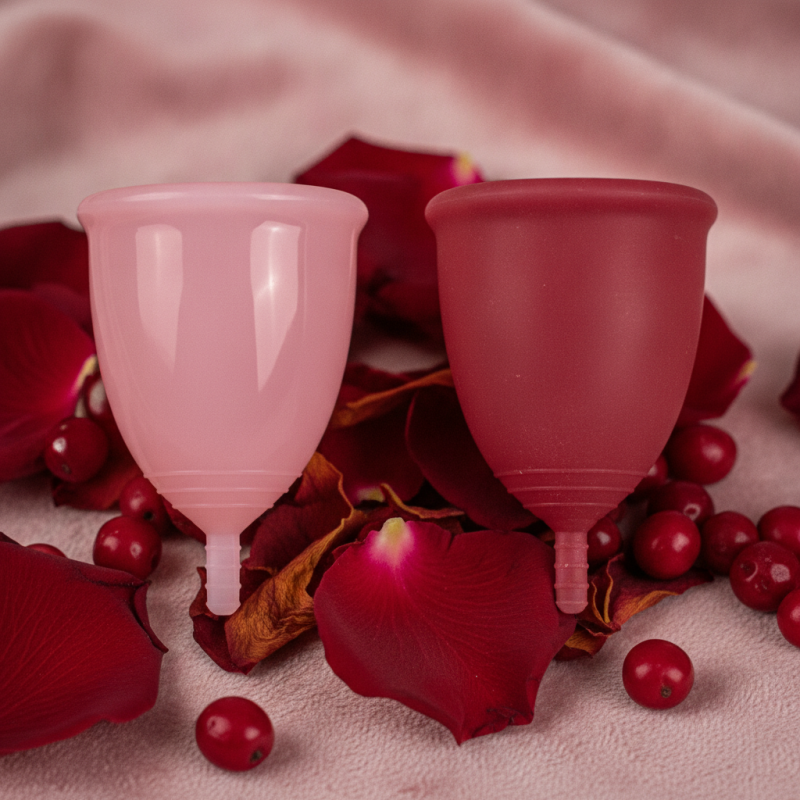
“I’ve had the same cup for three years, should I replace it now?” It’s a question we get often, and the honest answer is: it
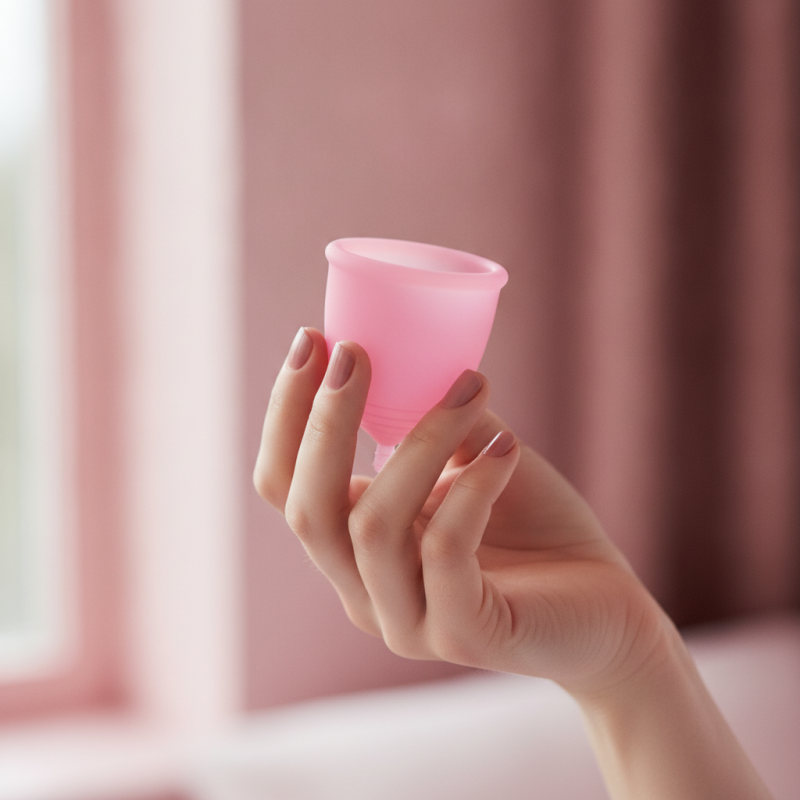
We sell menstrual cups, so you’d expect this article to tell you the cup is perfect for everyone. It isn’t, and we’d rather tell you

