Guides for Use & Maintenance
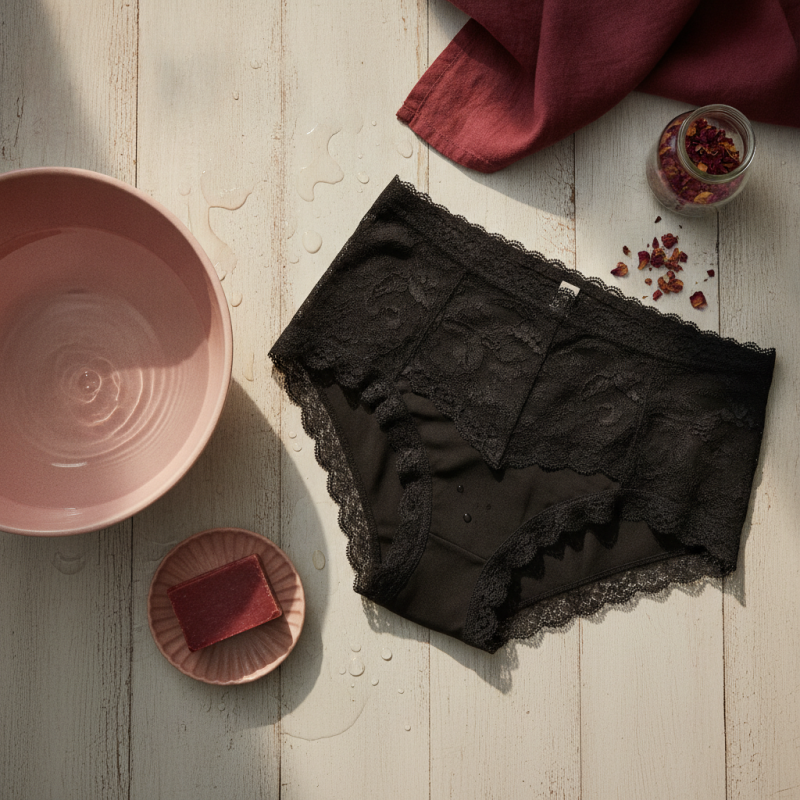
How to Wash Period Panties So They Last for Years
“I washed them like any other underwear and within a few months they didn’t absorb the same”: it’s the number-one reason people are disappointed with


Did you know that classic “Kegel balls” and a modern pelvic floor trainer aren’t the same thing, even though they’re sold on the same pharmacy shelf? Many women buy Kegel balls for the pelvic floor thinking any weight will do, and then notice no improvement because they never increase the resistance or know whether they’re contracting correctly. The scientific evidence on pelvic floor training is clear on one point: what really makes the difference isn’t the object, it’s progression and consistency. Here’s what the science says, how Kegel balls differ from a Kegel trainer with real progression, and how to choose without wasting time or money.
Pelvic floor muscle training (known as Kegel exercises) is the recommended first-line treatment for stress urinary incontinence and mild pelvic organ prolapse, according to MedlinePlus, the medical information service of the U.S. National Library of Medicine. A systematic review published in 2022 in the International Journal of Environmental Research and Public Health, which analyzed 15 clinical trials with 2,441 women with urinary incontinence, found that pelvic floor training —alone or combined with biofeedback, electrical stimulation or weighted vaginal balls or cones— significantly reduces incontinence compared with doing nothing, with no clear differences between the various support techniques (Alouini et al., 2022, PubMed).
In other words: the object (balls, cones, a trainer with stones) isn’t what cures on its own. What works is contracting the right muscle, with the right intensity and progressively over weeks. That’s where many standalone Kegel balls, with no guidance or weight progression, fall short compared with a system designed for real training.
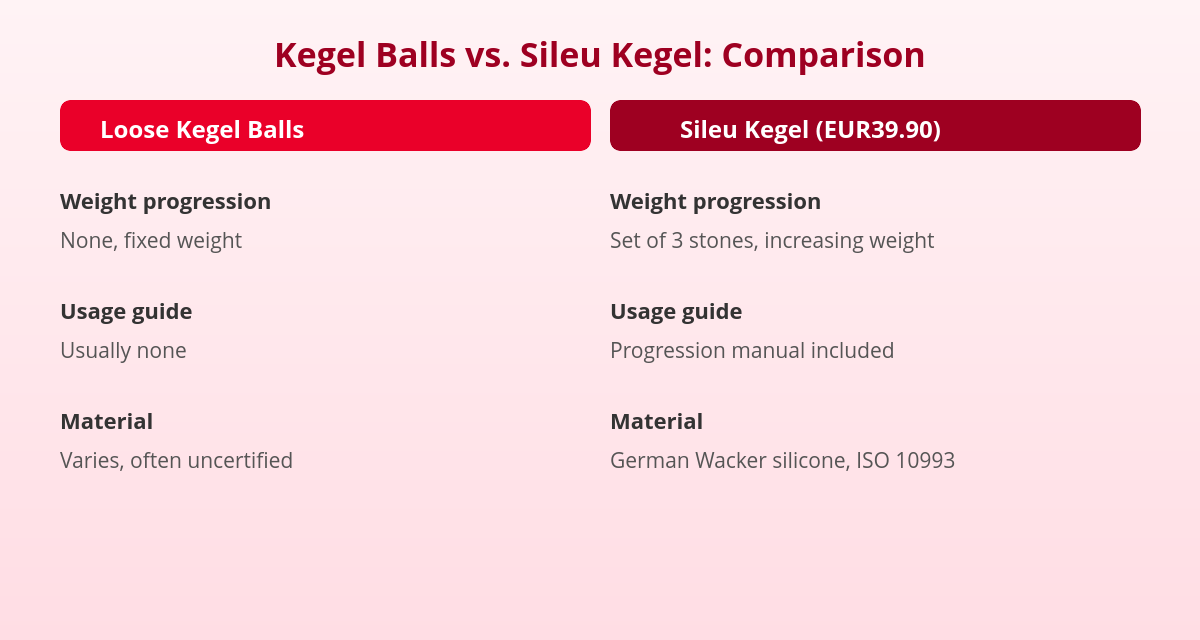
The confusion comes from “Kegel balls” having become a generic name for any weighted insertable object, from toys with no therapeutic purpose to devices designed specifically for pelvic floor physiotherapy. The real difference lies in three things:
If you already suspect your pelvic floor is weakened —from pregnancy, childbirth, menopause or simply a sedentary lifestyle—, it’s worth first understanding what weakens it and how to spot it: we explain it in detail in how to tell if your pelvic floor is weak.
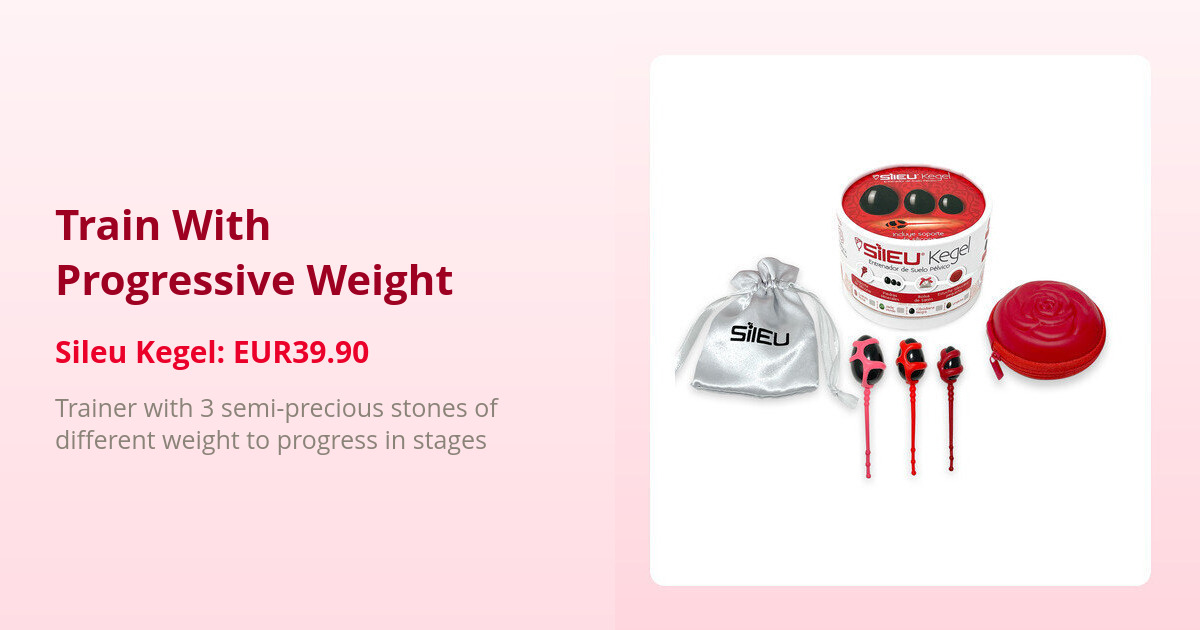
Sileu Kegel — a pelvic floor trainer with real progression
A set of 3 semi-precious stones of increasing weight + a progression guide, in medical-grade silicone certified to ISO 10993. €39.90, shipped from Spain in 24-72h.
See the Sileu Kegel →
Before adding weight, you need to be able to locate the muscle and contract it correctly; otherwise, the trainer just adds resistance to a poorly done movement. These are the steps pelvic floor physiotherapy recommends (more detail in Kegel exercises: how to do them right):
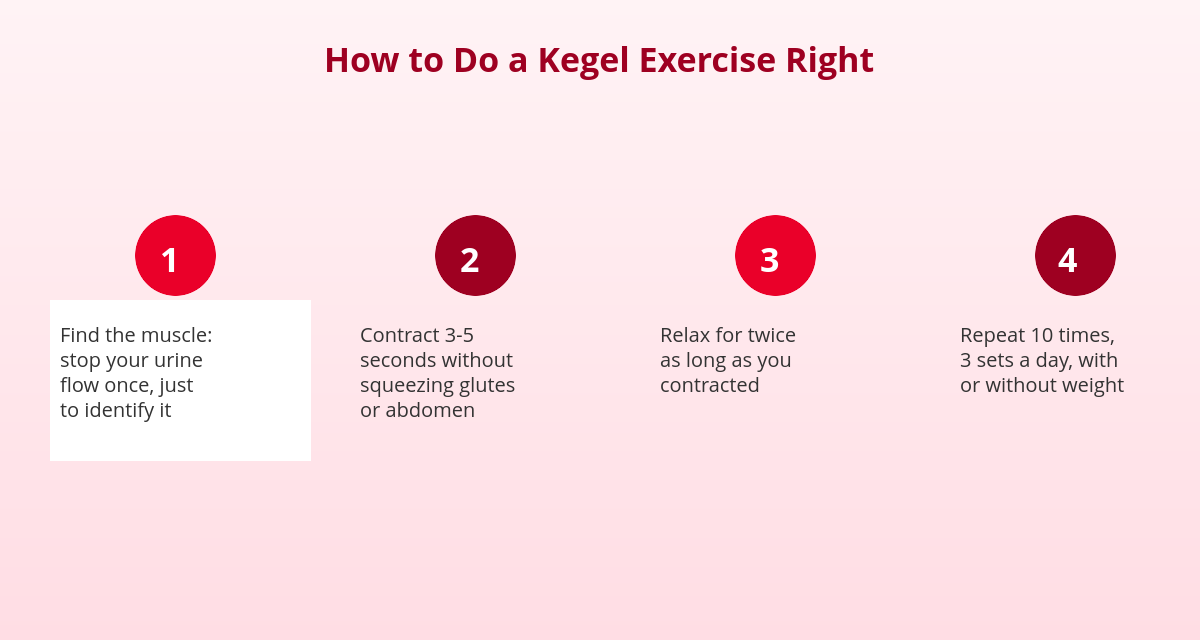
Once you’ve identified the muscle (never by stopping your pee as a routine, only as an initial test), insert the trainer with a little water-based intimate lubricant so there’s no friction, and start with the lightest stone. The review by Mørkved and Bø on pelvic floor training recommends programs of at least 8 weeks with near-maximal contractions to notice real results, not promises of “one week”. If you’re wondering whether the pelvic floor plays a part in other discomforts you already know about, also see our guide to what the pelvic floor is, how it works and how to strengthen it.
Pelvic floor training with progressive weight is often recommended in several situations, always confirmed by your midwife, pelvic floor physiotherapist or gynecologist:
In all these cases, a trainer with weight progression lets you move forward week by week instead of stalling with a single fixed weight, which is exactly what happens with most generic Kegel balls.
As with a menstrual cup, medical silicone is washed with water and mild soap before and after each use, and it’s a good idea to sterilize it now and then. Our Sileu Cleaner spray also works for the Kegel trainer between sessions, with no need to boil it every time. Avoid perfumed or alcohol-based soaps, which can upset your intimate pH.
There’s also the quiet effect almost nobody talks about: people who start training their pelvic floor consistently often wonder why they didn’t do it sooner, just like people who try a menstrual cup after years of pads. A €39.90 trainer that lasts years doesn’t have the same marketing machinery behind it as a product you keep repurchasing: nobody is going to advertise it to you in every TV commercial break.
Most of the time “Kegel balls don’t work”, the problem isn’t the object but how it’s used. These are the most common mistakes we see repeated in forums and pelvic floor physiotherapy consultations:
With these four points corrected, most women start to notice more control within a few weeks, in line with the scientific evidence cited above.
Start your pelvic floor training today
Sileu Kegel, €39.90 · medical-grade silicone certified to ISO 10993 · shipped from Spain in 24-72h. Pair it with Sileu Lub for more comfortable insertion from day one.
See the Sileu Kegel →
Not exactly. “Kegel balls” is a generic term for any weighted insertable object; a Kegel trainer such as the Sileu Kegel is designed specifically for pelvic floor physiotherapy, with weight progression across several stones and certified medical-grade silicone.
The scientific evidence supports pelvic floor training with or without a guide weight: a 2022 systematic review of 2,441 women showed that it significantly reduces urinary incontinence compared with not training, with no clear differences between contractions alone, biofeedback or weighted cones/balls.
The scientific literature recommends programs of at least 8 weeks of consistent training, with near-maximal contractions, to start noticing a real improvement in pelvic floor tone.
Yes, it’s one of the situations where it’s most recommended, as long as your midwife or pelvic floor physiotherapist approves based on your recovery. The set of stones of increasing weight lets you start gently and progress.
With water and mild soap before and after each use, and sterilizing it now and then with a specific spray such as Sileu Cleaner. Avoid perfumed or alcohol-based soaps, which can irritate the mucosa.
Keep reading:
“I washed them like any other underwear and within a few months they didn’t absorb the same”: it’s the number-one reason people are disappointed with
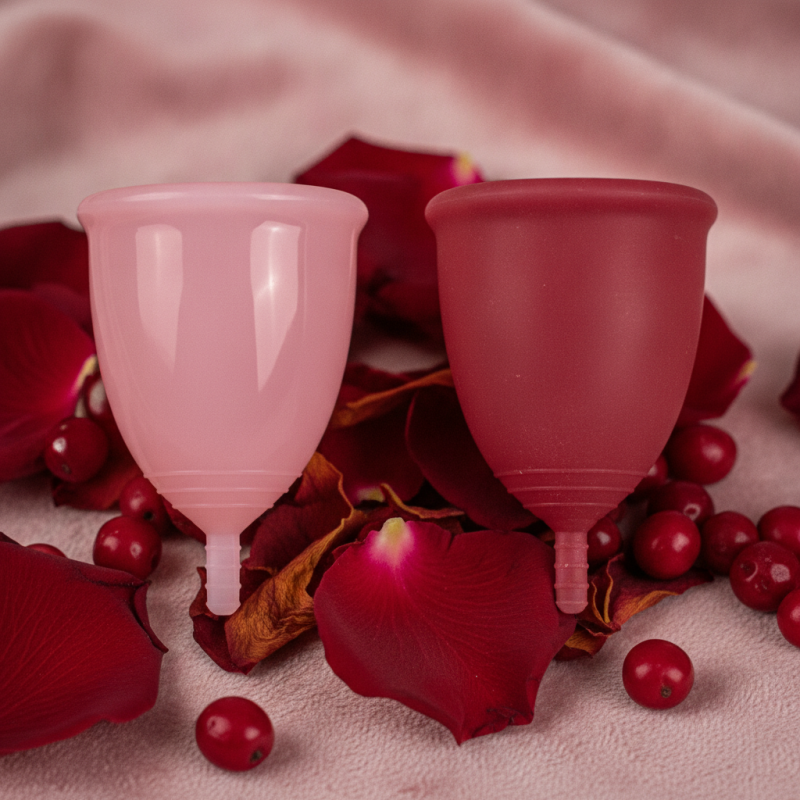
“I’ve had the same cup for three years, should I replace it now?” It’s a question we get often, and the honest answer is: it
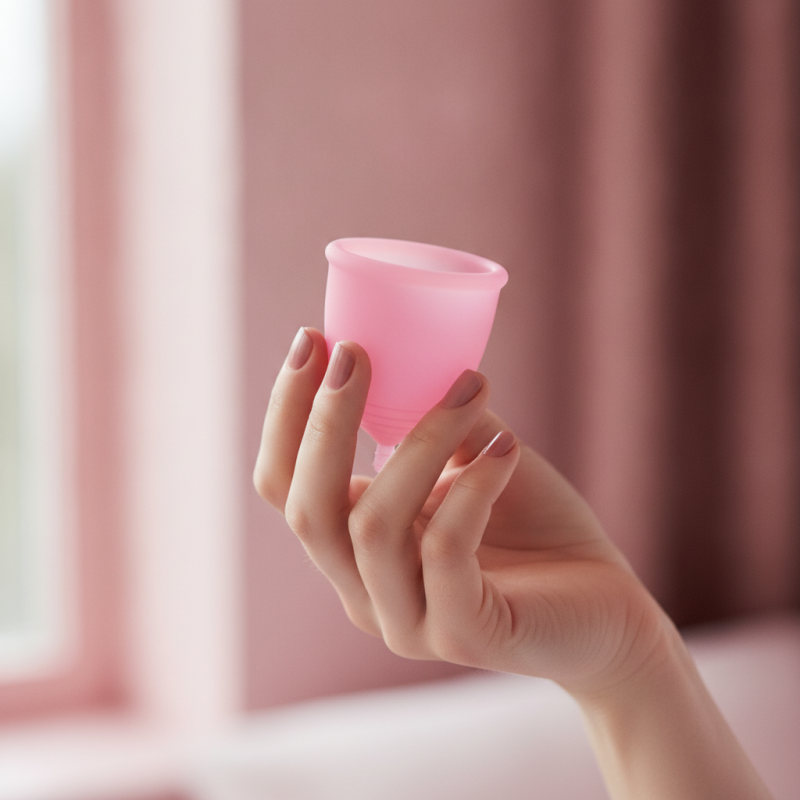
We sell menstrual cups, so you’d expect this article to tell you the cup is perfect for everyone. It isn’t, and we’d rather tell you

