Guides for Use & Maintenance
How to Wash Period Panties So They Last for Years
“I washed them like any other underwear and within a few months they didn’t absorb the same”: it’s the number-one reason people are disappointed with

Do you know the question asked most often before a first period? “How will I know it’s happening?” It’s normal to feel a mix of curiosity and nerves, and it’s also normal for families not to know quite how to explain it without overwhelming anyone. This guide is designed to be read together, girl and family, answering the most common questions about menarche calmly.
Menarche is the medical name for the first period: the first menstrual bleed in a girl’s life, and a sign that her body has completed one of the last stages of puberty. It happens because each month the uterus prepares a nutrient-rich inner lining (the endometrium) in case of pregnancy; if there’s no pregnancy, that lining is shed and comes out as bleeding through the vagina. It’s a natural process that has happened to every woman in your family, and it will keep happening every month for much of adult life until menopause. If you’d like to understand the whole cycle later on, you can read the key to the menstrual cycle and how to calculate yours and the 4 phases of the menstrual cycle explained.
According to MedlinePlus, puberty in girls usually happens between the ages of 8 and 15, and the first period tends to arrive about 2 years after the breasts start developing, usually between 9 and 15, with an average of around 12. Every body has its own rhythm: if a friend started earlier or later, that doesn’t mean anything is “wrong” in either case. The signs that usually come first are breast growth, pubic hair and, a few months before, a clear or whitish vaginal discharge that is completely normal.
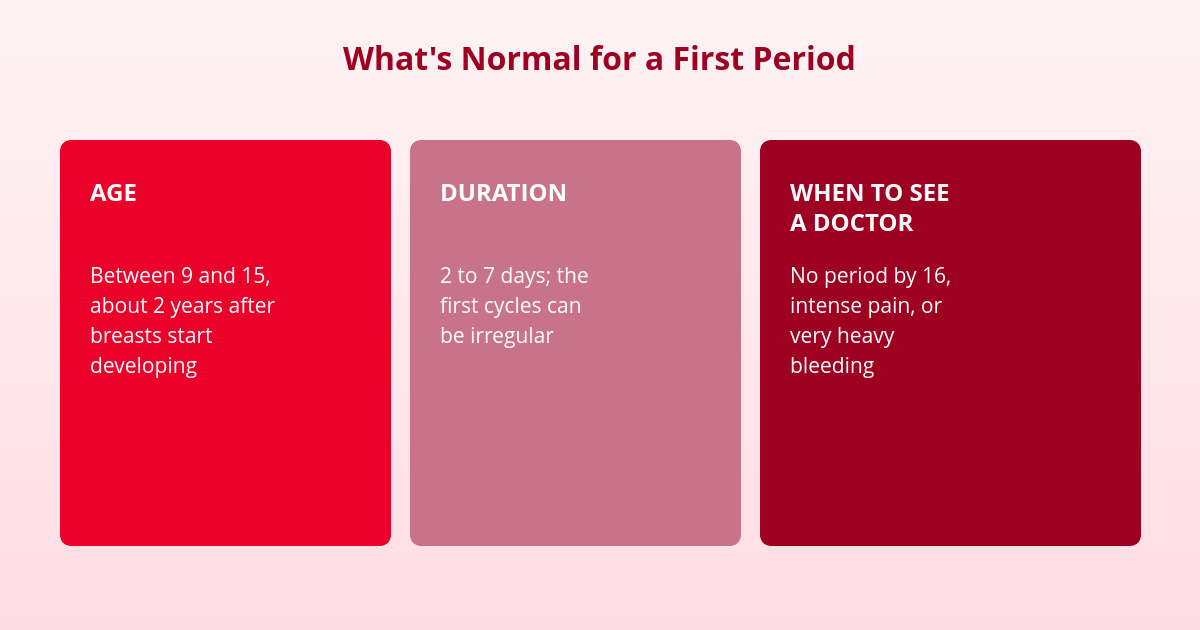
The first period usually lasts between 2 and 7 days, with bleeding that may at first be dark brown or pinkish before turning redder. It’s very common for the first cycles to be irregular —sometimes early, sometimes several months late— while the body finishes regulating its hormones; this can take one to two years to settle, and it’s nothing to be alarmed about. We go into all the normal variability of the cycle in how long does a period last? What’s normal and when to see a doctor.
It’s common to notice abdominal bloating, mood changes, breast tenderness or some tiredness in the days before. During the period, some girls feel small cramps or discomfort in the lower abdomen (menstrual cramps), which usually ease with local heat, rest and, if needed, guidance from an adult or health professional. Intense pain that doesn’t improve with these measures shouldn’t be treated as normal: see your pediatrician or gynecologist. We have a full guide on this topic in dysmenorrhea: period symptoms and home remedies to relieve the pain.
The kit designed to get started: Sileu Go — €21.99
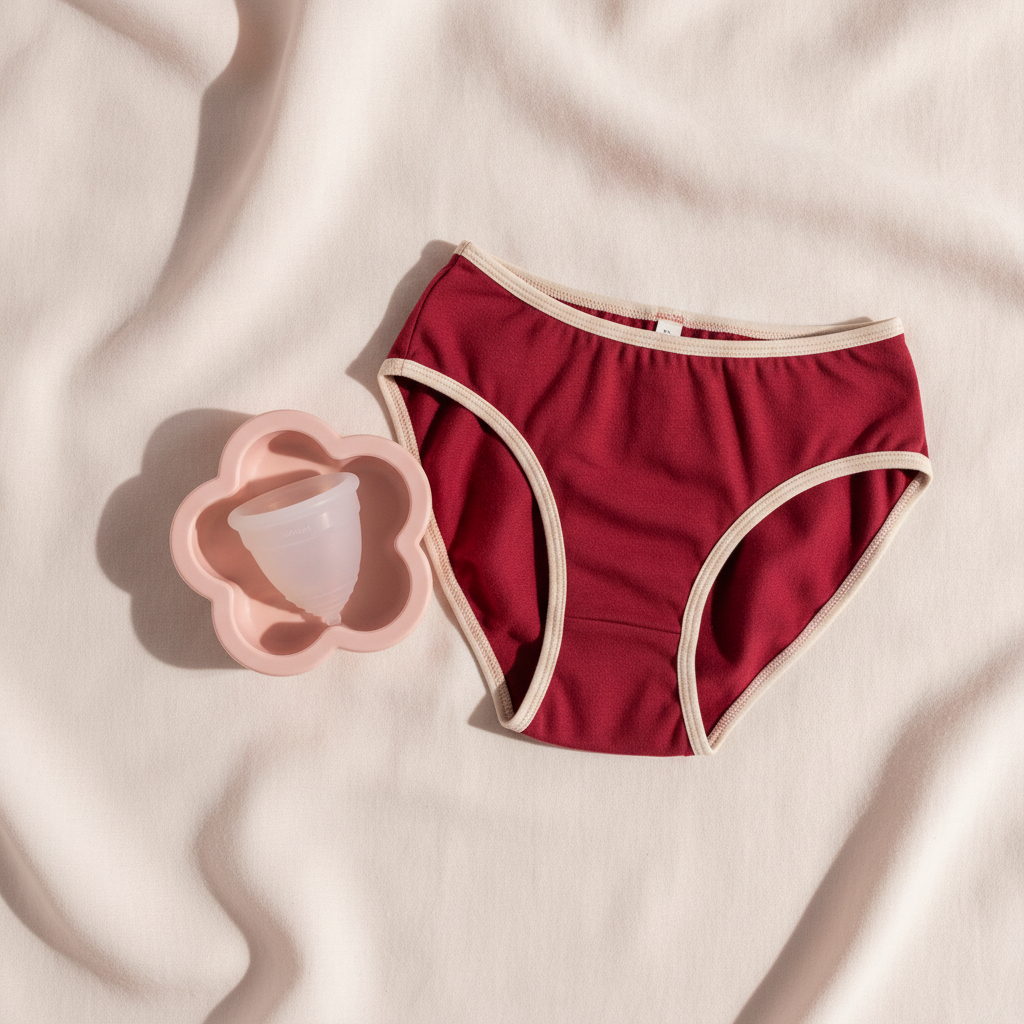
Sileu Rose cup (the beginner model, especially suited to teenagers) + an 8 cm flower-shaped case, discreet for school or a backpack. Shipped from Spain in 24-72h.
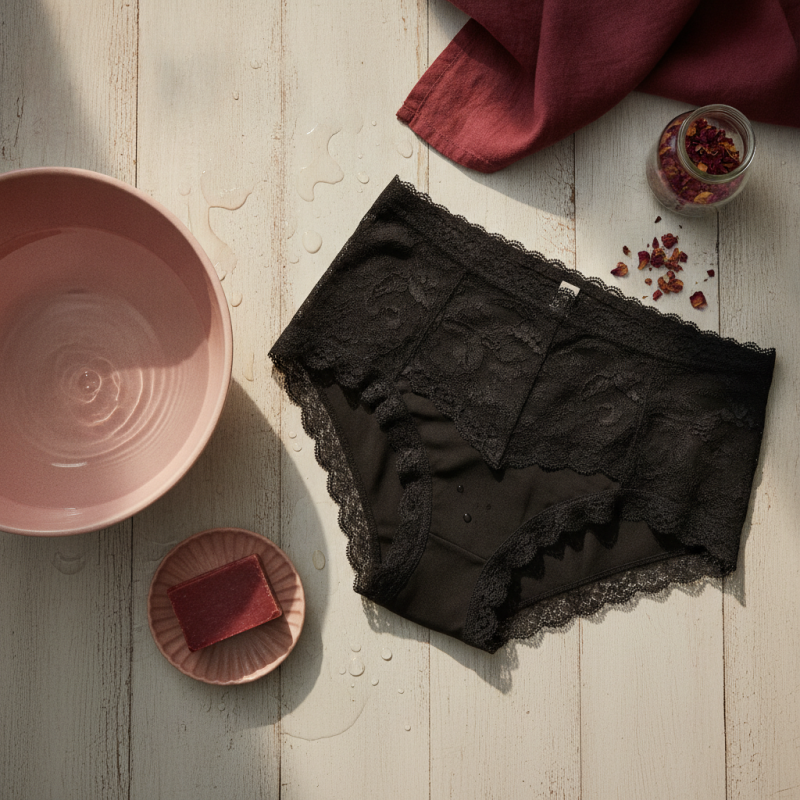
Having things ready in advance takes a lot of pressure off the moment it arrives. A basic kit can include: pads or organic cotton period underwear to start with (simpler than a cup for a first contact), spare underwear, and a discreet pouch for school. Sileu period underwear, made of organic cotton certified to OEKO-TEX Standard 100 (free from harmful substances), works like ordinary underwear, with nothing to insert and nothing to remember to change in a school restroom, which makes it especially comfortable for a first period. If you’d also like to explain the menstrual cup option from the start, even if it won’t be used until later, we have a specific guide in menstrual cups for teens: size, model and first steps, and on period underwear in particular in period panties for teens and first periods.
Can people tell I have my period? No, unless there’s a visible leak on your clothes, which is easily avoided by changing your protection often enough. Can I play sports or swim on my period? Yes, no problem at all; in fact, gentle exercise can help relieve cramps. What if I stain my underwear? Washing it in cold water as soon as you take it off, before it dries, usually removes the stain without a trace. None of these situations is anything to be embarrassed about: it has happened, and still happens, to the vast majority of women in the world, including any adult around you.
The comfort of ordinary underwear: Sileu period underwear — €9.99
OEKO-TEX certified organic cotton, with nothing to insert. The simplest option for the first cycles, which are irregular and sometimes unpredictable. Shipped from Spain in 24-72h.
One of the things that helps most to experience a first period calmly is talking about it naturally before it arrives, not just at the moment itself. Explaining what’s going to happen, showing the products available and making it clear that any question can be asked without embarrassment greatly reduces the anxiety of the moment. There’s no need for a “big talk”: it’s enough to answer questions calmly as they come up, without rushing or dramatizing. If there’s more than one daughter at home, each will go through it at her own pace, and that’s fine: there’s no “right” age and no “right” way to feel about it.
When it’s time to choose protection, having several options to hand helps the teenager decide what’s most comfortable for her, without pressure. Besides period underwear, some families also like to keep a Sileu Rose cup in reserve, in case at some point —perhaps not the first day, but later on— the teenager wants to try it calmly, knowing it’s there with no obligation to use it until she feels ready.
Most first periods go by without any complications, but it’s worth seeing a pediatrician or gynecologist if the period hasn’t arrived by age 16, if the bleeding is extremely heavy (soaking a pad every hour), if cycles are still very irregular after two years, or if period pain stops normal daily activities. Seeing a doctor doesn’t mean something’s wrong: often it’s just to confirm everything is developing normally and to clear up family doubts.
If you’re also interested in the cultural background of why talking about periods is still hard in some settings, and why it’s worth breaking that silence, you can read menstruation taboos: what’s true and what’s false.
According to MedlinePlus, the first period usually arrives between the ages of 9 and 15, with an average of around 12, about 2 years after the breasts start developing. Every body has its own rhythm within that range.
It usually lasts between 2 and 7 days. It’s very normal for the first cycles to be irregular for one or two years while the body finishes regulating its hormones.
Pads or organic cotton period underwear to start with, spare underwear and a discreet pouch. Period underwear works like ordinary underwear, with nothing to insert, which makes it very comfortable for a first contact.
It’s possible, although many families prefer to start with period underwear or pads because they’re simpler, and to introduce the cup later on when the teenager feels ready, calmly and without rushing.
If it hasn’t arrived by age 16, if the bleeding is extremely heavy, if cycles are still very irregular after two years, or if period pain stops normal daily activities.
Keep reading:
“I washed them like any other underwear and within a few months they didn’t absorb the same”: it’s the number-one reason people are disappointed with
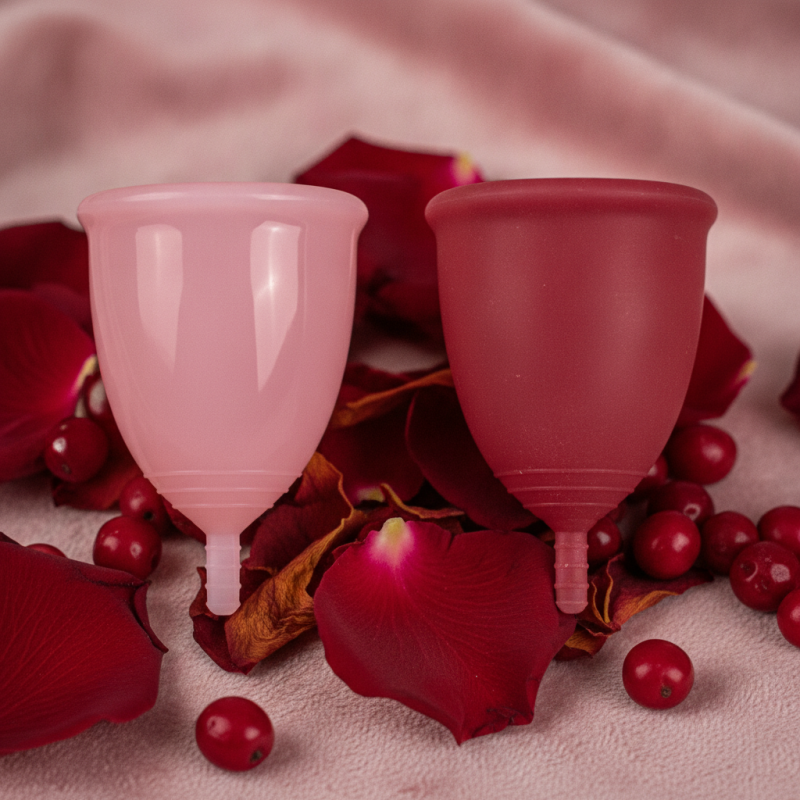
“I’ve had the same cup for three years, should I replace it now?” It’s a question we get often, and the honest answer is: it
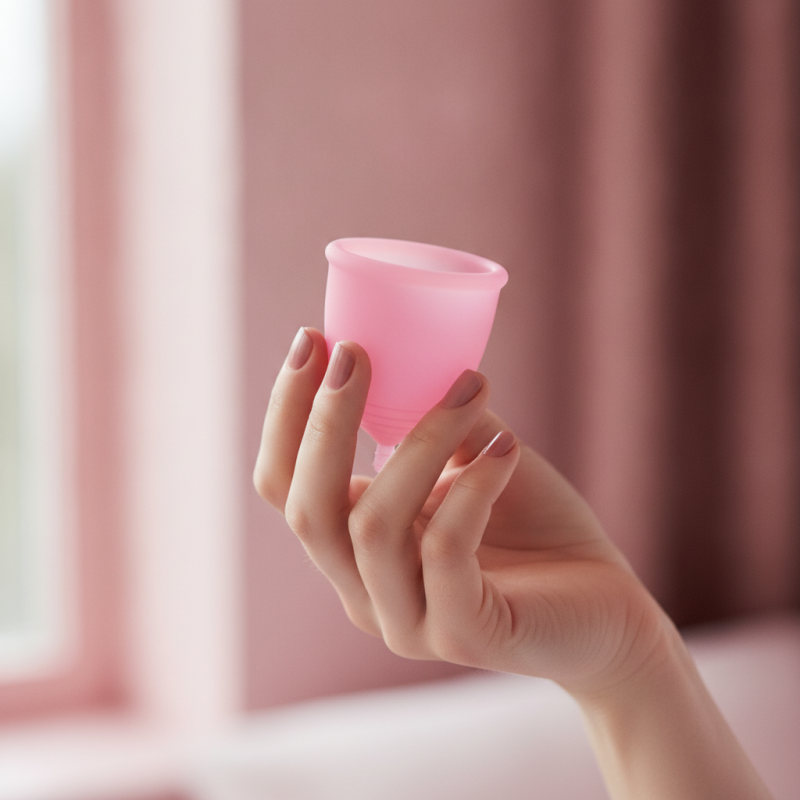
We sell menstrual cups, so you’d expect this article to tell you the cup is perfect for everyone. It isn’t, and we’d rather tell you

