Guides for Use & Maintenance
How to Wash Period Panties So They Last for Years
“I washed them like any other underwear and within a few months they didn’t absorb the same”: it’s the number-one reason people are disappointed with


Your period lasts 4 days and your friend’s lasts 7, and you’re both completely normal? It’s one of the most searched questions and one of the least clearly answered: how long does a period last, really, and at what point does that “more or less” stop being normal and become a reason to see a doctor? We’ll tell you using the ranges in the medical literature, without vagueness and without alarming you about something that’s probably always been your normal.
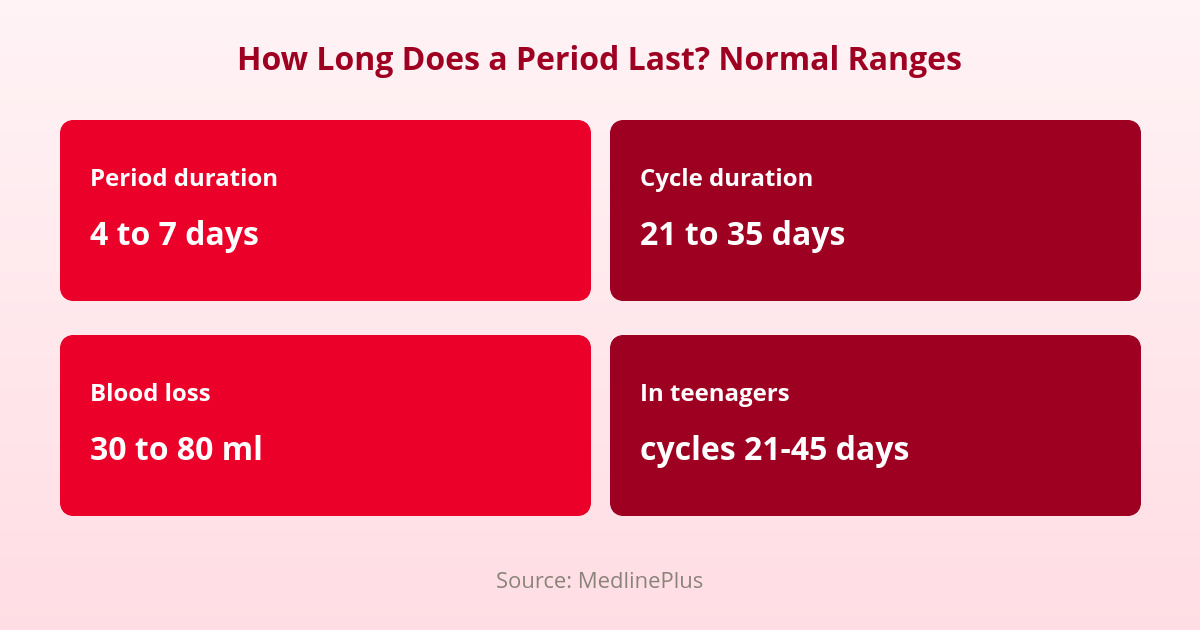
According to MedlinePlus, normal menstrual flow lasts about 5 days on average, and anywhere between 4 and 7 days is considered within range. The full cycle —from the first day of one period to the next— usually lasts between 21 and 35 days in adults, and typical total blood loss is between 30 and 80 ml per cycle (roughly 2 to 5 tablespoons). In teenagers, the margins are wider: cycles can be 21 to 45 days or more apart while the body finishes regulating its hormonal rhythm, so irregularity in the first years after the first period isn’t automatically a cause for alarm.
Period length varies with many factors: stress, weight changes, intense exercise, breastfeeding, perimenopause, certain hormonal contraceptives or the stress of periods of big life change. One month lasting 4 days and the next 6 is still within normal, as long as both figures fall within the 4-7 day range. What’s worth watching is a sudden, sustained change from your usual pattern: if you’ve always had 5-day periods and suddenly they stretch to 9-10 days for several cycles in a row, it’s worth seeing a doctor, even though in most cases it’s nothing serious.
To keep track without surprises: period underwear — €9.99
Organic cotton certified to OEKO-TEX Standard 100 (free from harmful substances): backup or main protection, comfortable on both the shortest and the longest days of your cycle. Shipped from Spain in 24-72h.
Typical length also changes with your stage of life:
According to MedlinePlus guidance on abnormal uterine bleeding, you should see your gynecologist if:
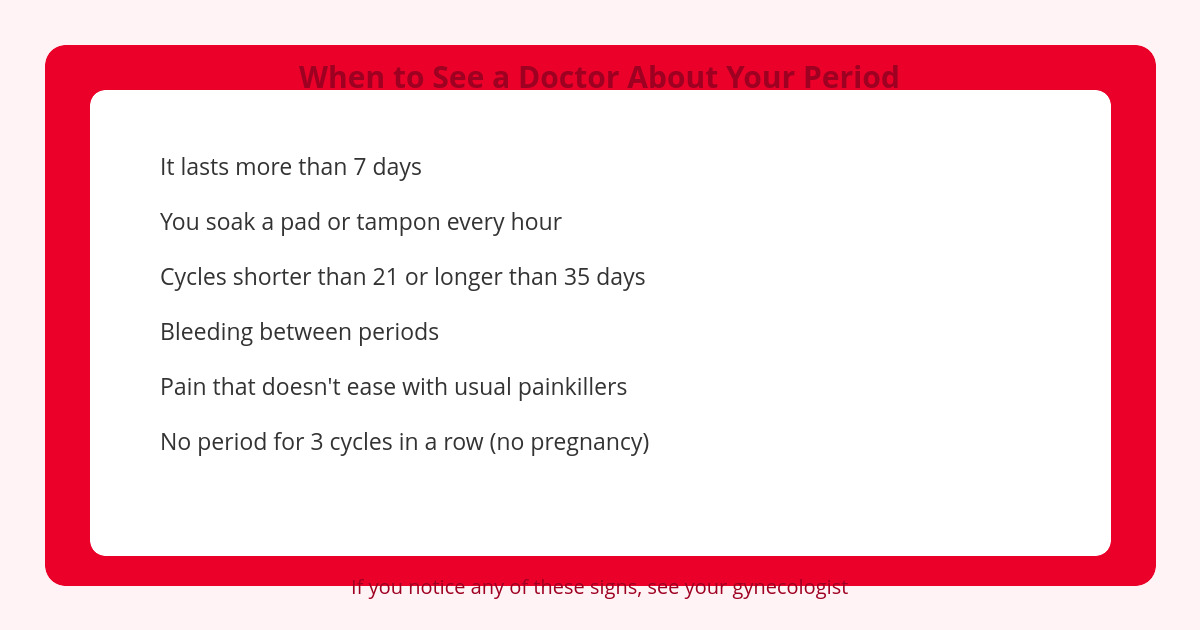
None of these signs automatically means something serious —common causes include hormonal imbalances, fibroids, polyps or thyroid problems, most of them treatable—, but they do deserve a professional assessment rather than waiting for them to sort themselves out. If you also notice an unexpectedly late period without being pregnant, see our guide to causes of a late period.
Comfortable on long days: Sileu period underwear — €9.99
If your period lasts longer than usual, certified organic cotton period underwear gives you extra peace of mind without adding disposable chemicals. Shipped from Spain in 24-72h.
Several inaccurate ideas are going around on this topic, so let’s take them apart one by one:
It’s a common mistake to confuse a “long period” with a “heavy period”. You can have a period of just 4 days that’s very intense, or one of 7 days with light flow on most of them. Both parameters —length and amount— are assessed separately. If you’re more concerned about the amount than the days, we have a specific guide on menstrual flow amount and period length in more detail, another on heavy flow with clots if that’s your situation, and a practical one on menstrual cups for heavy flow.
If you’ve noticed a real change in your period length and have already booked an appointment, you don’t have to wait in uncertainty about protection. In the meantime, it’s a good moment to keep comfortable backup protection to hand for longer-than-usual days, and to note down precisely your start date, end date and any associated symptoms (pain, large clots, dizziness): that concrete information helps your gynecologist far more than “my period’s been a bit strange for a while”. If you’ve also just given birth, bear in mind that postpartum bleeding follows a completely different pattern from your usual period, which we explain in detail in our guide to postpartum pads: don’t confuse it with a change in your cycle.
Noting the start and end date of each period in an app or a simple calendar is the most reliable way to know whether something has really changed, instead of relying on memory. You don’t need meticulous tracking: the first and last day of actual bleeding (not the spotting before or after) for 2-3 cycles is enough for a solid reference of your personal normal. It’s also the moment to ask yourself whether your current protection —pads, tampons, a cup or period underwear— really suits the actual length and intensity of your cycle, instead of buying the same thing as always “by default”.
If your cycles are irregular and you’d also like to cut recurring spending on disposables while you track them, period underwear has the advantage of working both on lighter days and as backup on heavier ones, without needing to work out in advance how long each period will last. And if at the end of the process you confirm your cycle is short and predictable, or long and variable, you’ll have real information to discuss with your gynecologist, instead of a vague feeling that “I think it lasts a long time”. For anyone who’d also like to combine daily protection with a menstrual cup on heavier days, the period underwear + Sileu Rose cup pack covers both ends of the cycle in a single order.
Between 4 and 7 days, with an average of 5 days, according to MedlinePlus. The full cycle usually lasts between 21 and 35 days. If you’re consistently outside these ranges, it’s worth seeing your gynecologist.
Not usually: bleeding for more than 7 days is considered outside the typical range according to MedlinePlus and is a reason to see a doctor, especially if it repeats over several cycles in a row.
Factors such as stress, weight, intense exercise, breastfeeding, perimenopause or hormonal contraceptives can lengthen or shorten your period within normal margins, with no cause for concern.
Between 21 and 35 days in adulthood, measured from the first day of one period to the first day of the next. In teenagers the range is wider, from 21 to 45 days or more.
Keep reading:
“I washed them like any other underwear and within a few months they didn’t absorb the same”: it’s the number-one reason people are disappointed with
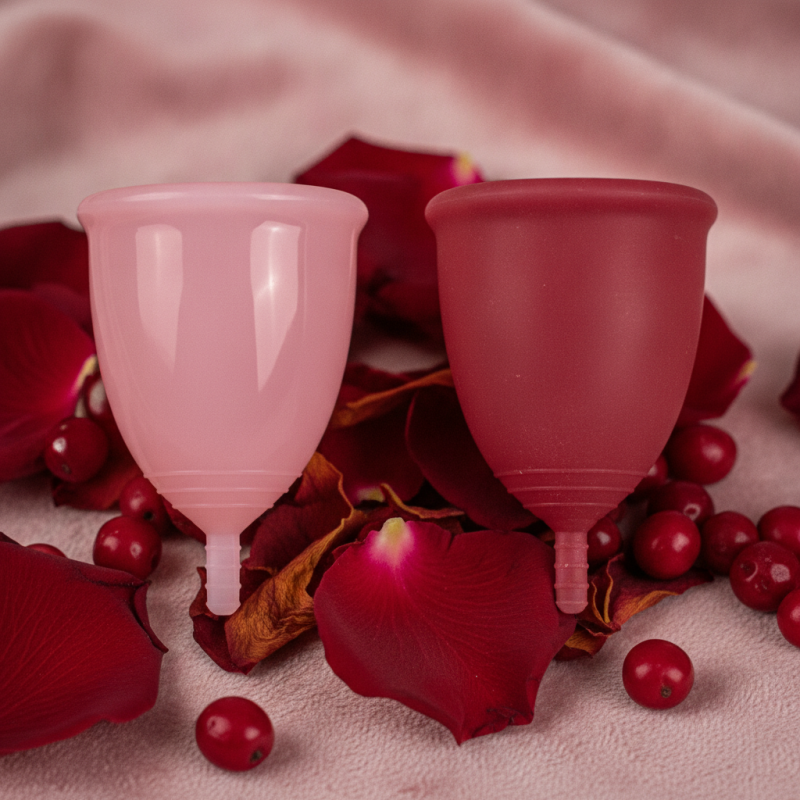
“I’ve had the same cup for three years, should I replace it now?” It’s a question we get often, and the honest answer is: it
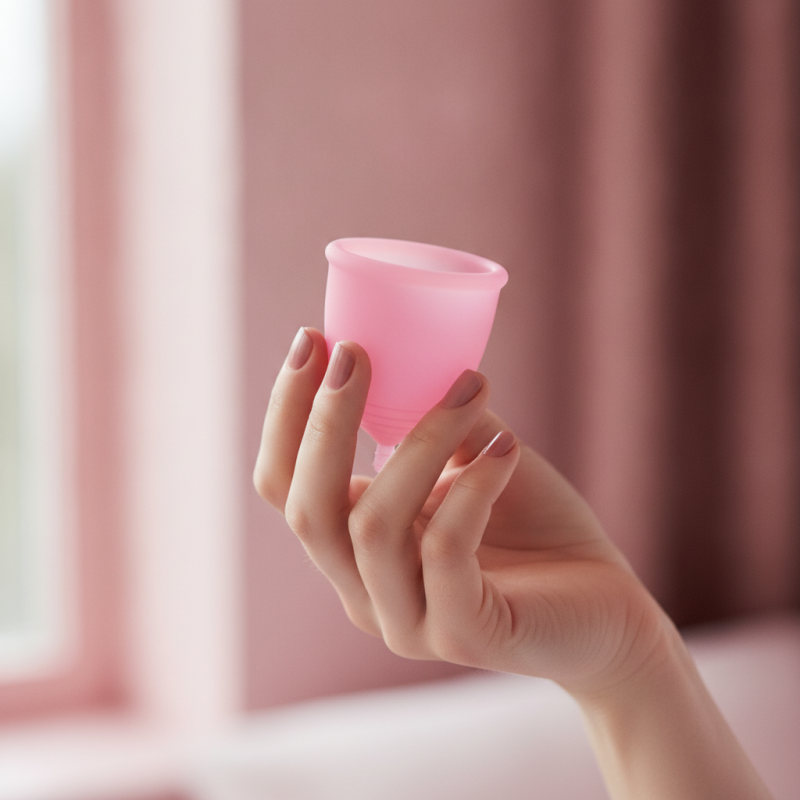
We sell menstrual cups, so you’d expect this article to tell you the cup is perfect for everyone. It isn’t, and we’d rather tell you

