Guides for Use & Maintenance
How to Wash Period Panties So They Last for Years
“I washed them like any other underwear and within a few months they didn’t absorb the same”: it’s the number-one reason people are disappointed with


“How do I know if my cup is in right?” If you’re asking yourself that right now, relax: it’s the most common question among people starting out with the menstrual cup, and the good news is that there are very clear signs that confirm it in under a minute. No guessing, and no spending the day with that uneasy “I’m not sure this is right” feeling.
If you haven’t inserted it for the first time yet, we recommend starting with our step-by-step guide to inserting the menstrual cup. Here we’ll focus on exactly what comes next: how to know, without a doubt, that your menstrual cup is properly placed.

You don’t need any complicated tricks. Run through this mental checklist every time you insert the cup:
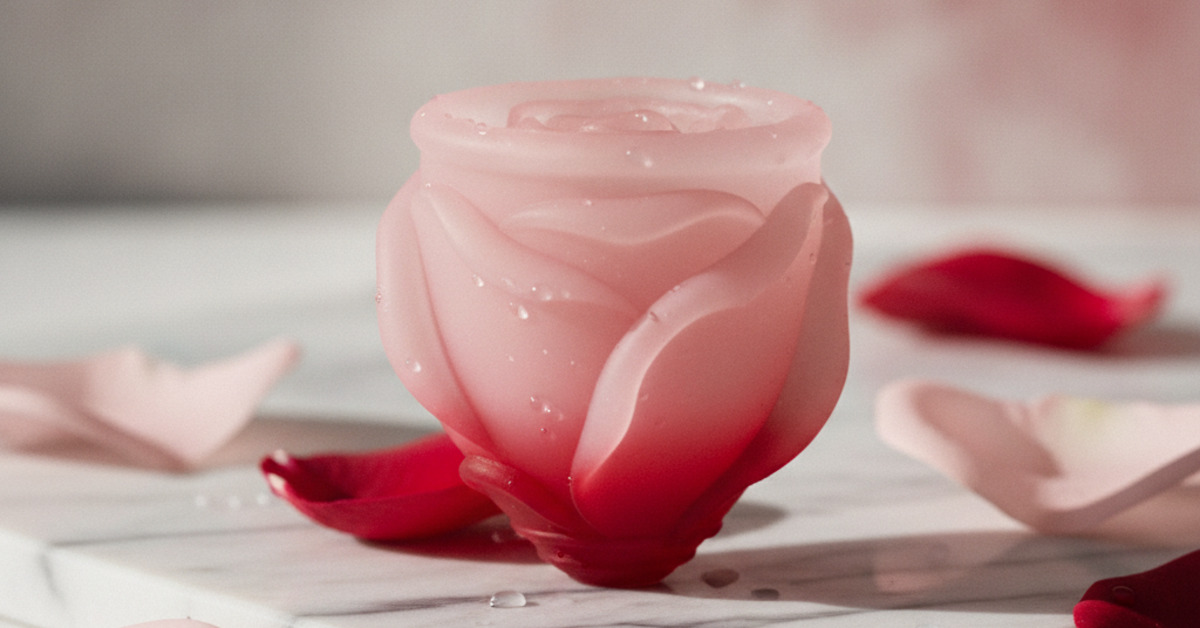
First periods with a cup? The Sileu Rose (€19.99) comes in a Soft version designed to open easily, so you feel the right seal sooner. Shipped from Spain in 24-72h.

Here’s the most common confusion: many people think the cup has to go “way up”, close to the cervix, like a tampon. It doesn’t. A properly placed menstrual cup sits in the lower part of the vaginal canal, several centimeters below the cervix, never pressed against it. It’s the cup itself, by opening and sealing against the walls, that collects the flow as it comes down — it doesn’t need to be “close” to anything to work.
If your cervix sits lower or higher than usual, the feeling of “where it should be” varies from person to person. That’s why it’s worth locating your cervix before choosing a size: it helps you understand why your cup sits deeper or shallower than your friend’s, and choose the right model. If you find out you have a high cervix, we have specific content on menstrual cups for a high cervix.
Almost all the leaks or discomfort you tell us about in private messages have the same origin: the cup hasn’t fully opened inside. These are the most common mistakes:
If you still notice leaks after checking all this, we have an article on the reasons leaks can happen with the menstrual cup, and another specifically on why the cup slips down if you notice it moving lower as the hours go by.
Torn between two sizes? The Sileu Starter Pack (€21.99) includes size S and size L so you can check which one seals better for you, without buying twice. Shipped from Spain in 24-72h.
A good seal means the cup is working, but sometimes that same suction makes it a little harder to remove the first few times. Don’t pull the stem directly: first pinch the base to break the vacuum, then remove it gently. We explain it in full detail, including tricks to avoid stains, in how to remove the menstrual cup with no stains and no tugging. And if you ever feel you can’t reach it or that it has “gone up”, there’s no need to panic: we have a calm guide on what to do if your menstrual cup feels stuck.
Here’s a curious fact: most instructions that come with menstrual cups stop at “fold it and insert it”, without explaining what you should feel afterwards. No wonder it raises questions. People who switch to the cup and learn to recognize these signs often wonder why nobody explained it to them in this much detail before — probably because the disposables industry has no interest in you understanding a product that, bought once for €15-20, lasts you years with no monthly repurchase.
With practice, checking that it’s properly placed stops being a conscious process: within two or three cycles you’ll know just by getting up from your chair. If you also have general questions about the product, this is a good moment to go over the most common myths about the menstrual cup or our menstrual cup FAQ.
A poorly cleaned cup can lose effectiveness over time: dried residue in the small air holes (if your model has them) or on the rim can interfere with the seal. Wash it with water and a specific mild soap between uses within the same cycle, and boil or sterilize it between cycles. You’ll find the whole process, step by step, in how to sterilize a menstrual cup.
For daily hygiene while you’re using it, avoid vaginal douches and perfumed soaps: they can upset your pH and lead to discomfort. MedlinePlus information on feminine intimate hygiene recommends lukewarm water and, at most, a mild soap for the area.
No, and this often surprises beginners. Once the menstrual cup is properly placed and the seal has formed, movement doesn’t shift it: you can run, do yoga, swim or sleep in any position without affecting the suction. In fact, a pelvic floor that tightens during exercise usually helps keep it in place, not the other way round. What does change with activity is how often you empty it if your flow is heavy that day, but not the way it should sit.
Another common question is whether the feeling changes over the cycle. It’s normal: in the first days, with more flow, you’ll notice sooner that it needs emptying, but you still shouldn’t feel the cup while it’s in. If at some point in your cycle it feels different — lower, higher, less comfortable — it’s usually down to natural changes in pelvic floor tone or in the position of your cervix over the month, not to you having “forgotten” how to insert it.
If you tick these five boxes, your menstrual cup is exactly where it should be. And if one of them ever fails, you know which article to come back to.
Don’t have your cup yet? Start with the Sileu Rose (€19.99), our most popular model for beginners, or pair it with the Sileu Cleaner Spray (€5.99) for a quick clean between uses. Shipped from Spain in 24-72h.
A properly placed menstrual cup sits in the lower part of the vaginal canal, several centimeters below the cervix, never pressed against it. You shouldn’t feel it when walking or sitting, and the stem should show very little or not at all.
Check five signs: you don’t feel it when you move, the stem barely shows, you feel the suction when you pinch the base, it rotates smoothly without pain, and you don’t stain your underwear in the first few hours after inserting it.
The most common reasons are a poorly executed fold when inserting it, not rotating it afterwards so it opens fully, pushing only the stem instead of the body of the cup, or using a size or model whose firmness doesn’t suit your anatomy.
No. It’s a common mistake to think it should sit near the cervix like a tampon. The cup collects the flow by forming a seal in the lower part of the vaginal canal, whether your cervix is high or low.
Yes. The systematic review published in The Lancet Public Health (van Eijk et al., 2019), which analyzed 43 studies with more than 3,300 participants, concludes that the menstrual cup is a safe method with leakage rates equal to or lower than tampons and pads when properly placed.
Keep reading:
“I washed them like any other underwear and within a few months they didn’t absorb the same”: it’s the number-one reason people are disappointed with
“I’ve had the same cup for three years, should I replace it now?” It’s a question we get often, and the honest answer is: it
We sell menstrual cups, so you’d expect this article to tell you the cup is perfect for everyone. It isn’t, and we’d rather tell you

